



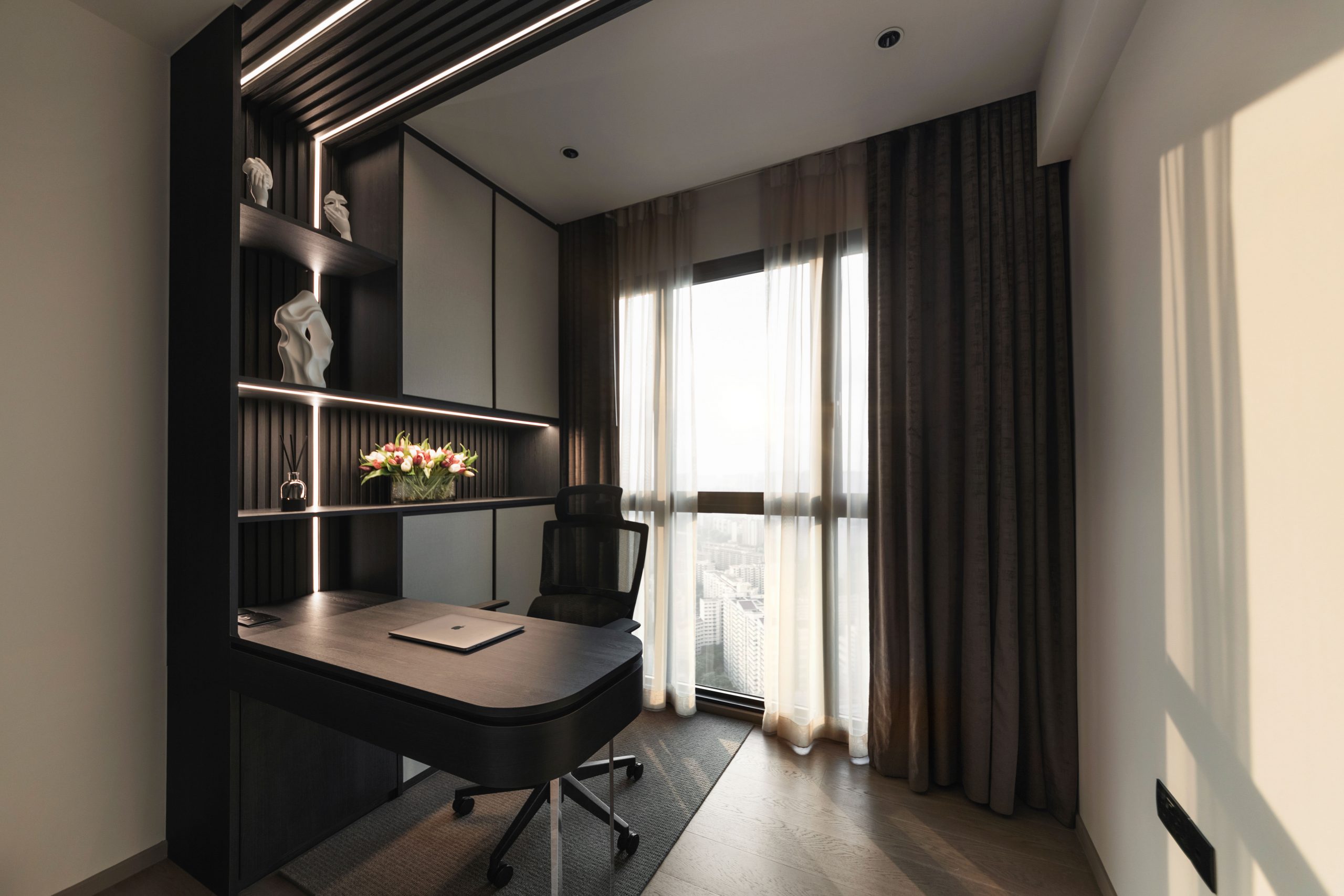
Corners are often the most overlooked areas in any home, yet they hold some of the biggest untapped potential. When renovating homes in Singapore, making use of these spaces can significantly improve both functionality and overall design flow. Whether in HDB flats or condominiums, thoughtful corner planning can transform unused areas into purposeful features.
At The Interior Lab, we often see how small, overlooked spaces can influence how a home feels and functions. Approaching corners with a clear purpose allows homeowners to make better use of available space without adding unnecessary complexity to the design.
In many Singapore homes, space is limited, which makes every square metre valuable. Corners, when left unused, can disrupt the visual flow of a room or create areas that feel incomplete.
By designing these spaces intentionally, homeowners can:
Instead of treating corners as leftover space, they can become defining elements that elevate the entire interior.
Each idea below reflects how thoughtful renovation in Singapore strategies can turn small spaces into meaningful features.

Custom shelving fitted into corners is one of the simplest yet most effective upgrades.
Why it works
It maximises vertical space while keeping the footprint minimal. This is especially useful in living rooms and bedrooms.
Design tips

A corner can easily be converted into a dedicated workspace without taking over an entire room.
Why it works
It provides a focused area for productivity while maintaining separation from relaxation zones.
Design tips

Creating a quiet corner for reading or relaxation adds comfort and personality to your home.
Why it works
It introduces a soft, inviting space that contrasts with more functional areas.
Design tips
Corners are ideal for L-shaped cabinetry that provides seamless storage.
Why it works
It eliminates wasted space and creates a clean, integrated look.
Design tips
Bringing greenery into corners helps soften the overall design and adds visual interest.
Why it works
Plants naturally draw attention and make corners feel alive rather than empty.
Design tips
Turn a corner into a curated display area for art, décor, or collectibles.
Why it works
It adds character and makes the home feel more personalised.
Design tips
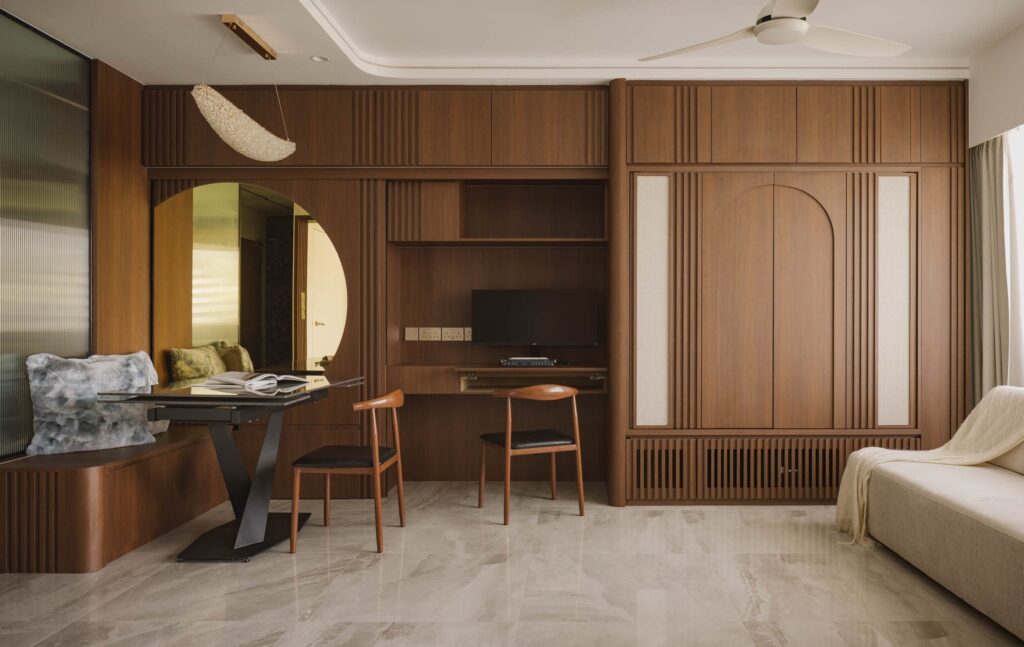
Corners in dining areas can be used for built-in bench seating.
Why it works
It maximises seating capacity while maintaining a compact layout.
Design tips
For homeowners who want flexibility, a multi-use corner unit is a practical solution.
Why it works
It adapts to different needs such as storage, display, or workspace.
Design tips
|
Corner Idea |
Best Use |
Space Requirement |
Ideal For |
Design Tip |
Key Benefit |
|
Corner Shelving |
Living rooms, bedrooms |
Small |
Display and light storage |
Mix open and closed shelving for balance |
Maximises vertical space without bulk |
|
Home Office Nook |
Work-from-home setups |
Small |
Remote workers |
Use a floating desk with wall-mounted storage |
Creates a focused work zone without a full room |
|
Reading Corner |
Relaxation zones |
Small to Medium |
Quiet, low-traffic areas |
Add soft textures and layered lighting |
Adds comfort and a lifestyle-focused space |
|
L-Shaped Cabinets |
Kitchens, living areas |
Medium |
Storage-heavy needs |
Extend cabinetry to the ceiling |
Eliminates wasted corner space completely |
|
Plant Corner |
Living spaces |
Small |
Homes with natural light |
Use tiered plant heights for variation |
Softens the space and improves ambience |
|
Feature Display |
Living or hallway |
Small |
Decorative or statement areas |
Stick to a cohesive theme or palette |
Adds personality without major renovation |
|
Dining Bench |
Dining area |
Medium |
Compact dining layouts |
Add hidden storage under the bench |
Increases seating while saving space |
|
Multi-Functional Unit |
Any room |
Small to Medium |
Flexible lifestyles |
Use modular or movable components |
Adapts to changing needs over time |
Designing corners effectively requires more than just adding furniture. The goal is to make the space feel like a natural extension of the room.
Decide what the corner should do. Whether it is storage, work, or relaxation, clarity helps guide design decisions.
Materials, colours, and finishes should align with the rest of the home to avoid a disconnected look.
Corners can feel dark or forgotten. Adding the right lighting makes them stand out in a subtle way.
In any renovation in Singapore project, the difference between a good home and a well-designed one often lies in the details. Corners, when thoughtfully planned, can enhance both usability and overall aesthetics without requiring major structural changes.
At The Interior Lab, we focus on creating spaces that feel complete from every angle. By treating corners as opportunities rather than leftover space, we help homeowners achieve interiors that are practical, cohesive, and reflective of how they live.
If you are planning your next renovation in Singapore, speak with us to explore how even the smallest corners of your home can be transformed into purposeful design features.
Costs vary depending on the level of customisation. Simple additions like shelving are relatively straightforward, while built-in carpentry may require a higher level of investment.
Yes. Corner solutions are especially useful in smaller homes where maximising space is essential.
Common options include laminate, plywood, and solid surface finishes, depending on durability and design preferences.
Focus on clean lines, limit displayed items, and incorporate hidden storage where possible.
Custom solutions typically provide a better fit and more efficient use of space, especially in irregular layouts.
 BACK TO BLOG