



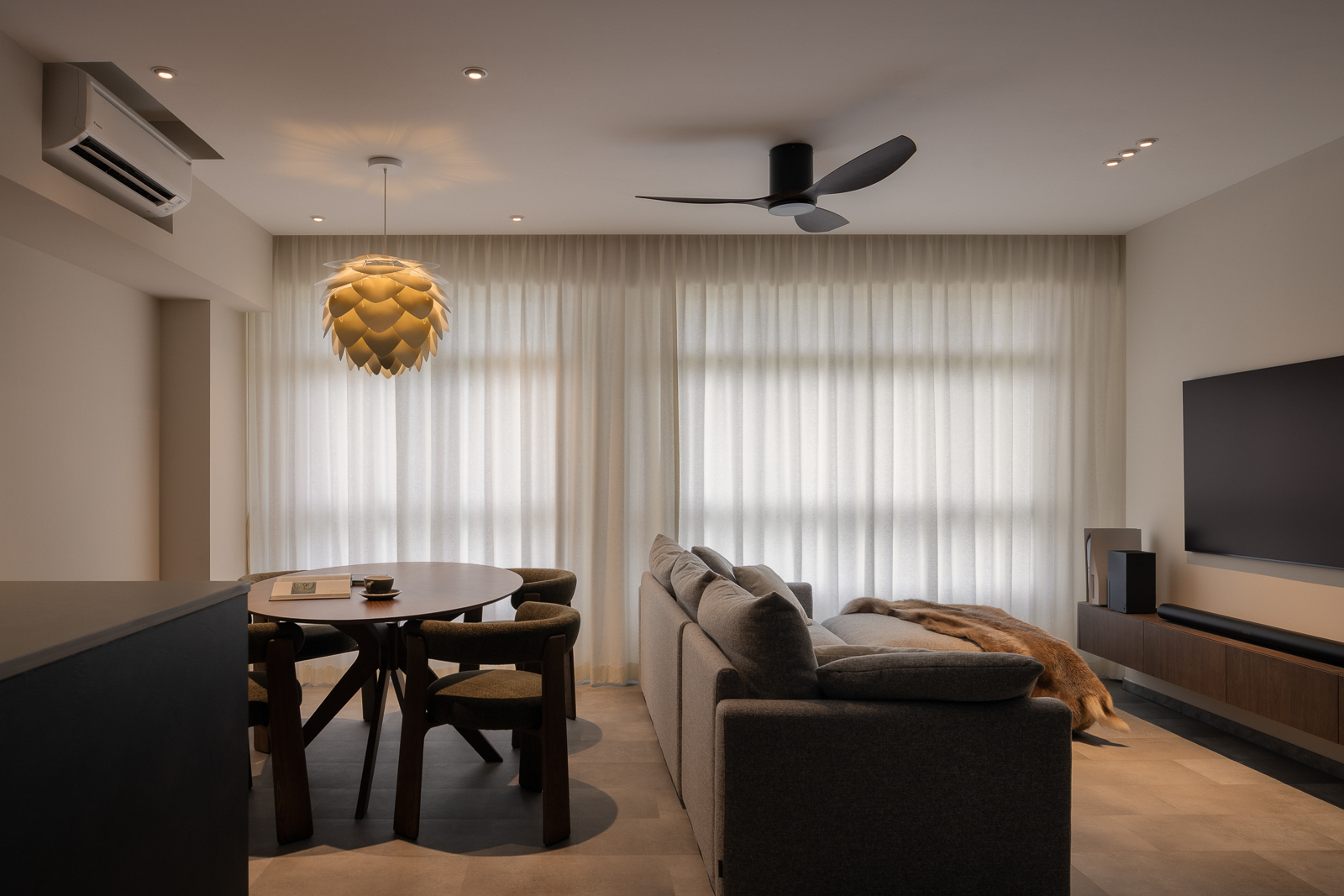
Open-concept living has become increasingly popular in Singapore, especially in HDB flats where space is limited and homeowners want a brighter, more spacious feel. By removing walls between the kitchen, dining, and living areas, homes feel more open and connected.
But without clear boundaries, one common challenge quickly surfaces — where does the dining area actually belong?
Instead of feeling intentional, the dining space can end up looking like an afterthought. The key lies in designing it as part of the overall layout from the start, rather than fitting it in later.
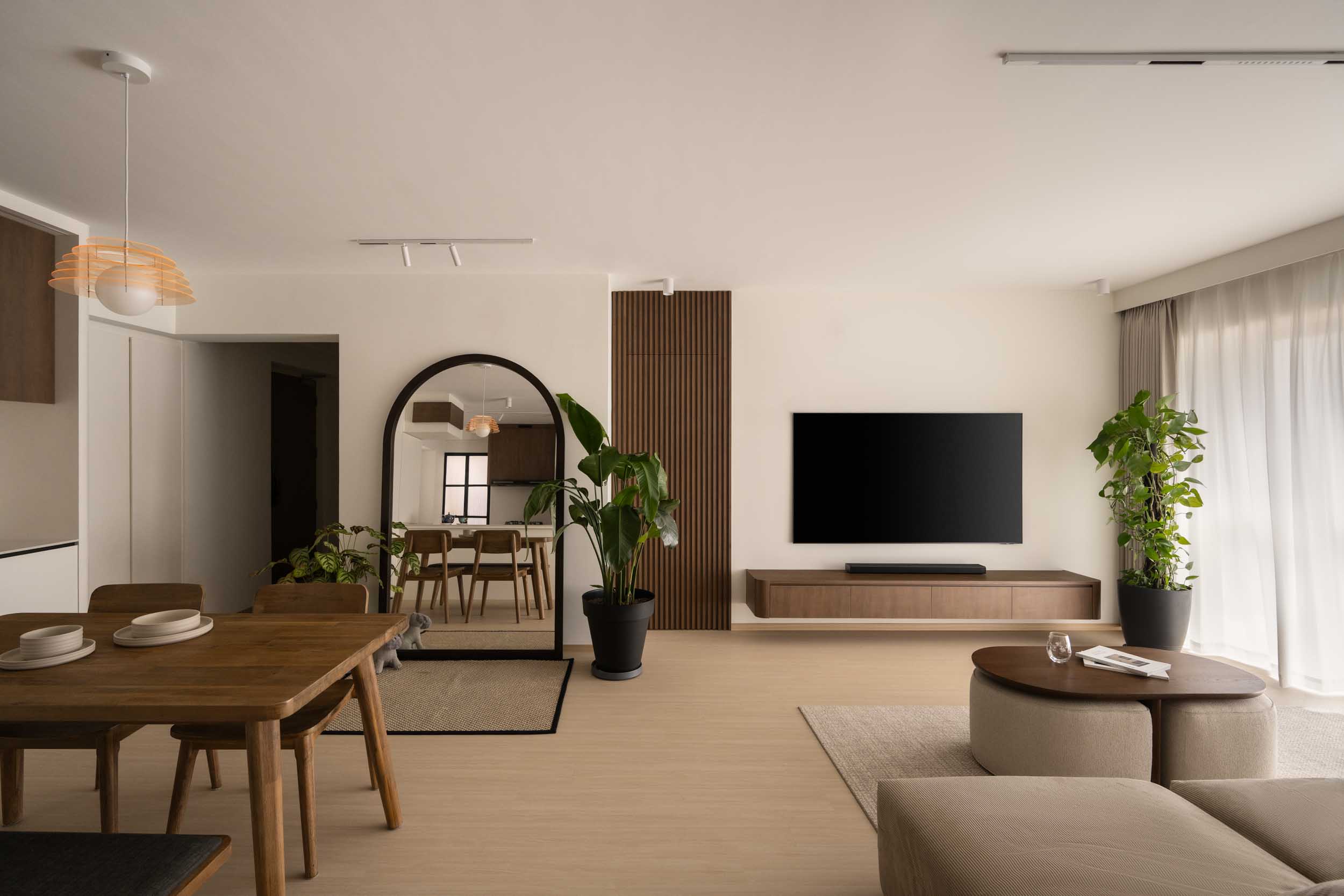
In many HDB flats, the dining area naturally sits between the kitchen and living room. Rather than separating it, think of it as a transition zone that connects both spaces.
Open layouts often combine living and dining into a single communal area to maximise space and encourage interaction.
To keep things cohesive:
When done well, the dining area becomes a seamless extension of the home — not a squeezed-in corner.
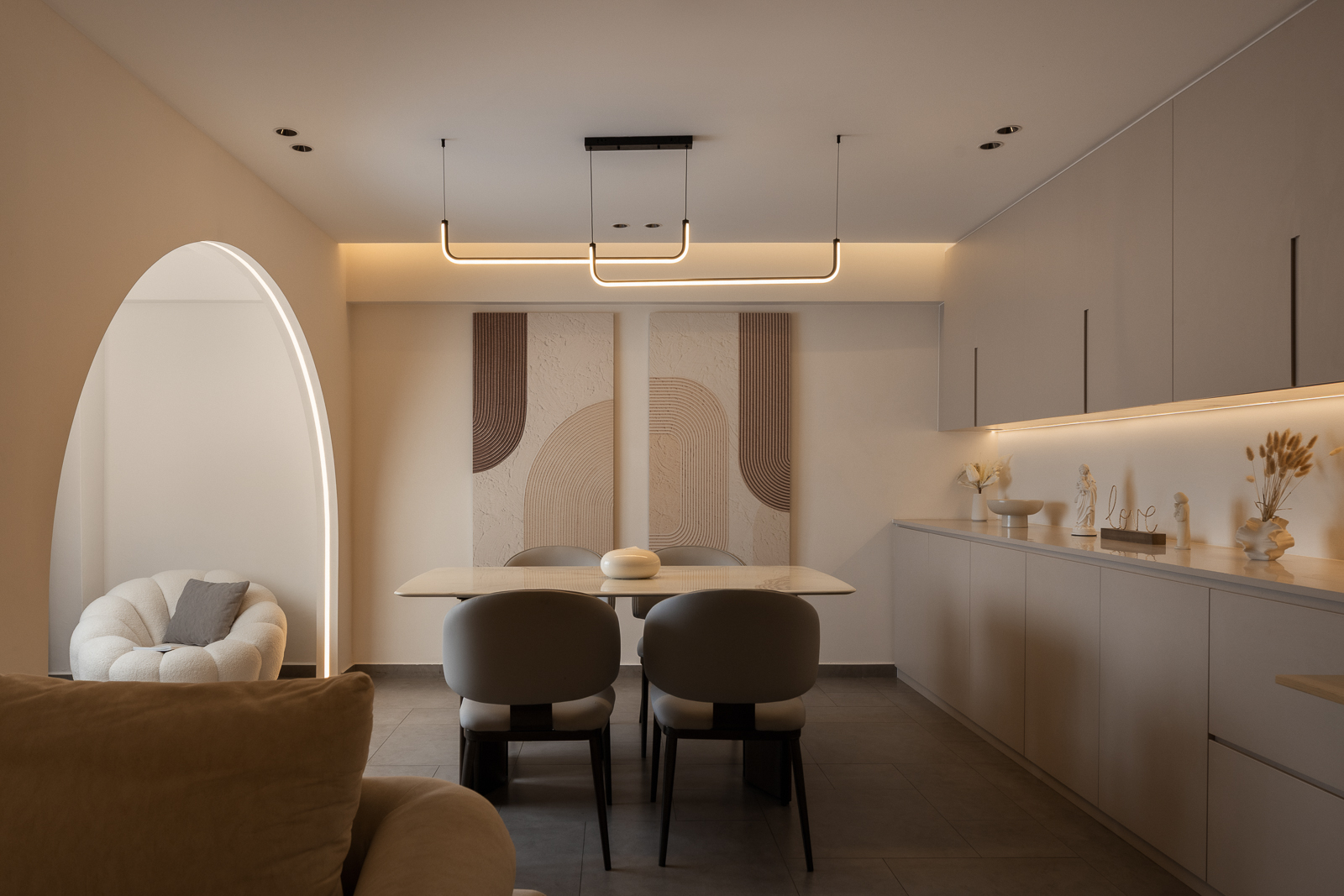
One of the biggest mistakes in open-concept homes is leaving everything too undefined. Without visual cues, the space can feel like one large, ambiguous area.
Instead of walls, use subtle zoning techniques:
Designers today increasingly use “zoning” techniques to create distinct areas within open layouts while keeping the space visually connected.

Space is always a constraint in HDB homes, so flexibility matters. The dining area doesn’t always have to follow a traditional setup.
Some practical approaches include:
In smaller layouts, dining areas are often designed to share space with other functions — a reflection of how modern Singapore homes prioritise efficiency.

A dining area feels more intentional when it has a visual “anchor”. This could be:
These elements help the dining space feel grounded, even within an open layout. They also introduce additional storage — something especially valuable in HDB homes.
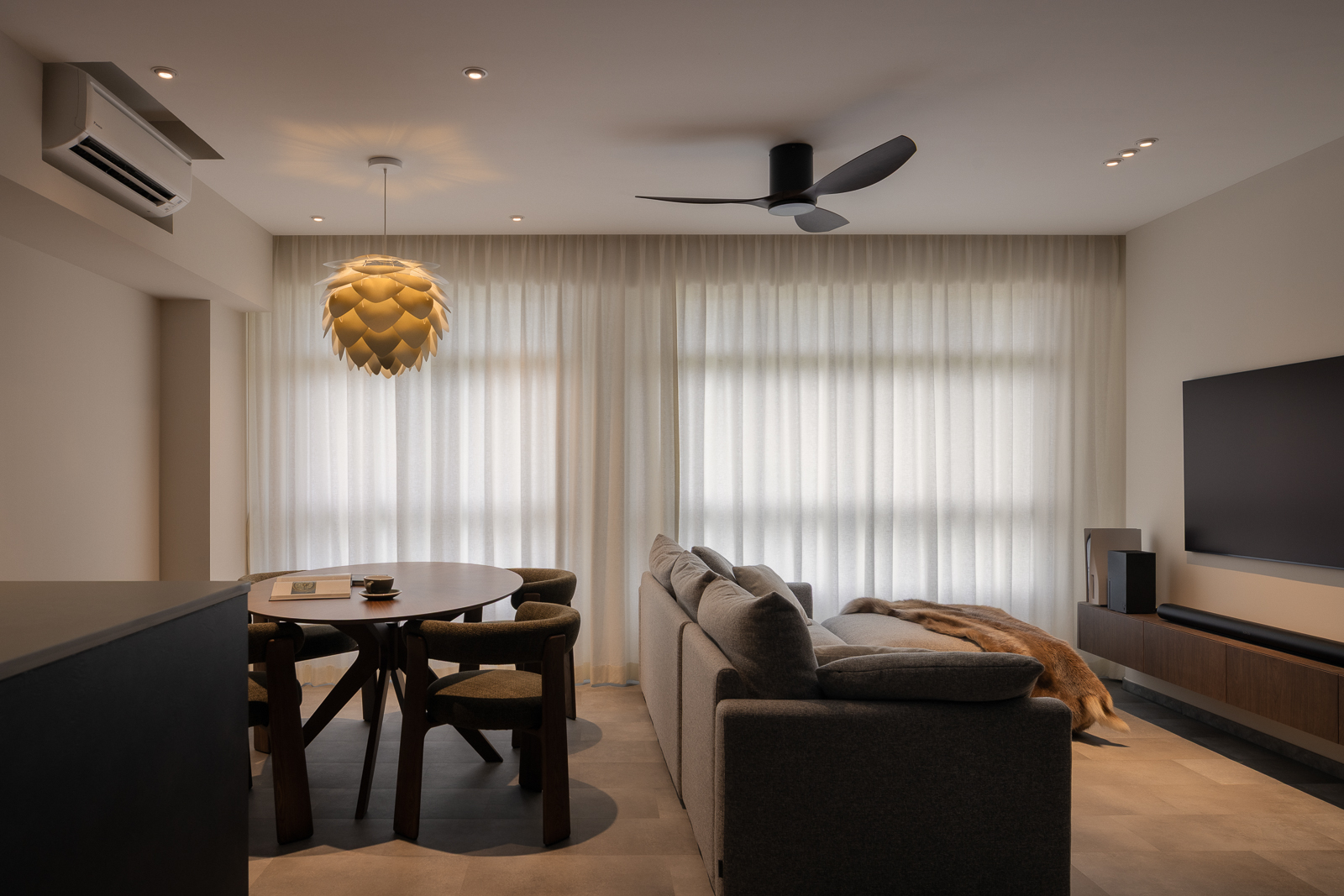
One of the biggest challenges in integrating a dining area is ensuring that movement around the home remains smooth.
Keep in mind:
A well-planned dining area should feel intuitive to move around — not something you have to navigate around.
Lighting plays a crucial role in making the dining area feel distinct yet connected.
A simple approach:
This creates a subtle shift in mood — helping the dining area feel more intimate without physically separating it.
Integrating a dining area into an open-concept HDB home is less about carving out space, and more about designing with intention.
When planned thoughtfully, the dining area becomes a natural part of your home’s flow — connecting the kitchen and living spaces while still holding its own identity.
With the right balance of layout, zoning, and material choices, you can achieve an open-concept home that feels both spacious and well-defined — designed for the way you live every day.
 BACK TO BLOG