



Planning a home renovation or looking to refresh your existing space? Choosing the right professional is an important first step. When exploring interior designers in Singapore, you may also come across interior stylists, each offering a different approach to designing and enhancing a space.
At The Interior Lab, we believe good design goes beyond aesthetics. Interior designers focus on space planning, functionality and renovation-related design, while interior stylists enhance a home’s appearance through furnishings, colours, lighting and decorative finishes. Understanding these differences helps you choose the right professional to suit your needs, lifestyle and project goals.
An interior designer considers how a space can be planned and developed to suit the homeowner’s lifestyle, preferences and practical requirements. The process typically begins with understanding how the space is used before developing a design concept that balances aesthetics with functionality.
Depending on the project, an interior designer’s services may include:
Interior designers are particularly useful for renovations that involve more than a simple visual refresh. For example, a kitchen renovation may require careful consideration of storage, appliance placement, lighting and circulation to create a space that works well for everyday cooking.
In Singapore, renovation requirements vary depending on the property type and the work involved.
For HDB flats, certain renovation works must be carried out by HDB-registered renovation contractors, while some alterations require prior approval. Understanding these requirements early helps homeowners plan their renovation more effectively and avoid complications once work begins.
For projects involving structural changes, such as alterations to certain walls or other building elements, additional technical considerations may apply. These works can affect a property’s structural integrity and may require assessment by an appropriately qualified professional.
An interior stylist focuses on the visual character of a space. Rather than undertaking major layout changes, the work generally involves refining an existing interior through colour, texture, furniture, lighting and accessories.
Typical services may include:
This approach suits homeowners whose existing layout works well but whose interiors feel dated, mismatched or no longer reflect their preferences.
For example, a living room can feel more inviting through a considered combination of warm lighting, complementary fabrics and appropriately scaled furniture. These adjustments can refresh the space without requiring a full renovation.
Interior styling can also form part of a larger interior design project. The main distinction is the scope of work: when a project extends to substantial layout changes, built-in carpentry or building services, additional design and technical coordination may be necessary.
| Consideration | Interior Designer | Interior Stylist |
|---|---|---|
| Main focus | Space planning and interior design | Appearance and decorative finishes |
| Typical scope | Layout, materials, built-ins and renovation coordination | Colours, furnishings, lighting and accessories |
| Common deliverables | Design concepts, drawings and specifications, as agreed | Colour palettes, furnishing plans and décor selections |
| Typical duration | Weeks to months, depending on the project | Days to weeks, depending on the scope |
| Fee structure | Project-based, design-only or other agreed fees | Project, consultation or other agreed fees |
| Best suited for | Renovations and comprehensive interior planning | Refreshing an existing space |
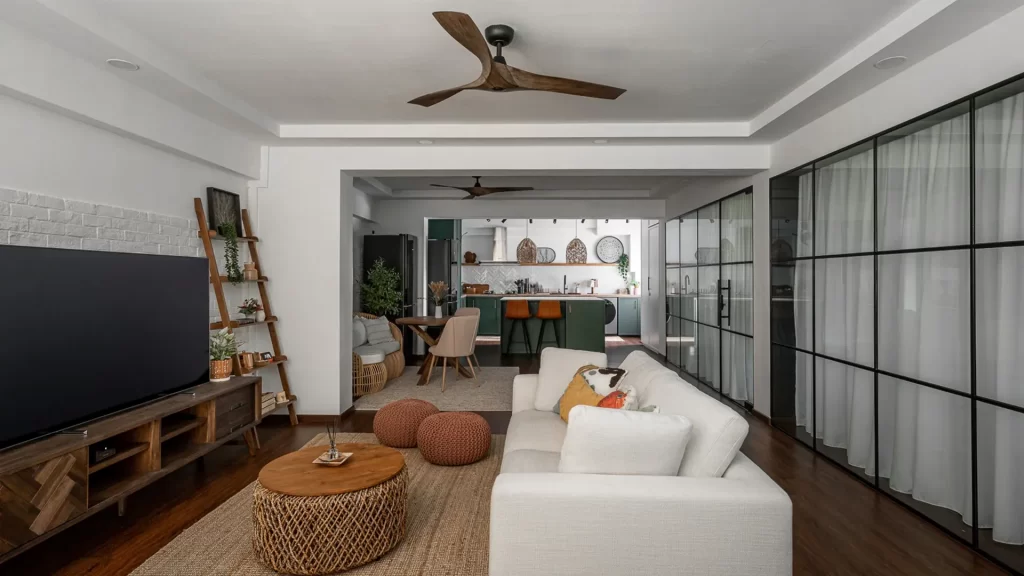
Choosing between an interior designer and stylist starts with understanding what you want to achieve. Rather than focusing on job titles alone, consider the work involved and the outcome you are looking for.
Start by defining what needs to change in your space.
If the layout feels inefficient, storage is inadequate, or renovation works are required, an interior designer may be the most suitable choice.
If the existing layout works well but the colours, furniture or finishes feel outdated, an interior stylist may be sufficient.
Look for examples that reflect the style and scope of your project. An interior designer’s portfolio should help you understand their approach to space planning and overall design. An interior stylist’s work can demonstrate how colours, textures, furniture and furnishings come together to create a cohesive and inviting space.
Choose a professional whose experience aligns with your requirements rather than relying on photographs alone.
Before proceeding, clarify the services included, the expected deliverables and the fee structure.
Interior designers may offer design-only services or end-to-end services that include renovation coordination. Stylists may charge for consultations, furnishing plans or complete decorating projects.
Compare proposals carefully to understand what is included and whether additional services will incur separate fees.
Beyond comparing prices, homeowners should also consider the safeguards in place when engaging a renovation business. A clear contract, transparent payment terms and a defined scope of work can help prevent misunderstandings during the project.
A clear written agreement helps establish expectations from the beginning. Confirm the scope of work, payment terms, timeline and process for handling changes.
For renovation projects, also clarify who is responsible for coordinating contractors and checking any applicable approval requirements.
Creating a well-designed home involves more than choosing colours or furnishings. It begins with understanding how a space needs to function and what you want to achieve, whether that means improving your layout, or refreshing your interior. Knowing the differences between interior designers and stylists can help you make the right choice for your needs.
At The Interior Lab, we believe good design starts with understanding each homeowner’s lifestyle, priorities and vision. Whether you’re planning a complete renovation or looking to enhance an existing space, choosing the right professional can help you achieve a home that balances functionality, comfort and aesthetics.
If you’re planning your next home project, speak with our team to explore how thoughtful interior design can bring your vision to life.
An interior designer focuses on space planning, design development and, where agreed, renovation coordination. An interior stylist concentrates on the appearance of an existing space through colours, furnishings, lighting and decorative finishes. The appropriate choice depends on the work required.
An interior designer can be helpful when a project involves layout planning, built-in carpentry, multiple trades or a comprehensive design concept. If the work is limited to furniture and decorative finishes, an interior stylist may be sufficient. Applicable renovation requirements should be checked before work begins.
Start by identifying your main objective. Choose an interior designer for space planning and renovation-related design, or an interior stylist for refreshing an existing interior. Review relevant portfolios and confirm the scope of services before making a decision.
 BACK TO BLOG