



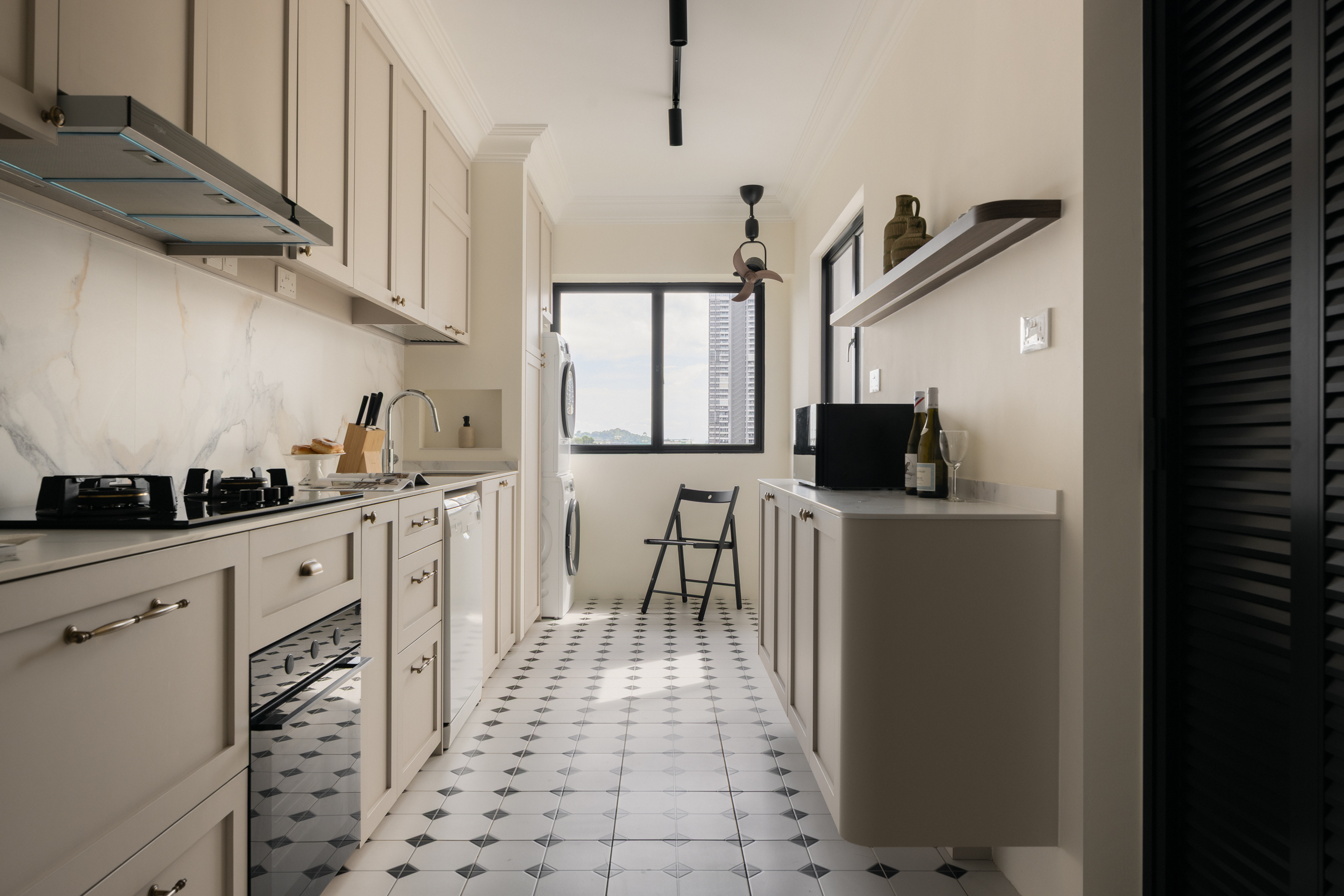
In many HDB flats, the service yard is one of the hardest-working areas in the home. From handling laundry and drying clothes to storing cleaning supplies and household essentials, this compact space supports many everyday routines. Yet, it is often overlooked during renovation planning, even though a poorly organised layout can make daily chores more cumbersome. This is why thoughtful interior design in Singapore looks beyond appearance to consider how every part of the home functions.
At The Interior Lab, we believe good design begins with understanding how homeowners use their spaces every day. A well-planned service yard should make household tasks more convenient while keeping the area organised and easy to maintain. By considering storage, ventilation and practical layouts from the start, homeowners can transform this often-overlooked corner into a useful part of the home.
Before choosing cabinets, finishes or accessories, consider how you use your service yard throughout the week. Where will you place the laundry basket? Do you need room to sort clothes, hang garments or store cleaning equipment? Will the washing machine and dryer fit comfortably without obstructing access?
These details help determine which design solutions are worth incorporating. In a compact HDB flat, even a small change in layout can make everyday chores more convenient.
It is also important to consider existing water points, drainage, ventilation and access requirements before planning built-in carpentry. Addressing these practical details early can help you avoid unnecessary changes later in the renovation.
Before starting renovation work, check which changes require HDB approval and engage a contractor listed in HDB’s Directory of Renovation Contractors. Even works that do not require a permit must follow HDB’s renovation guidelines, so it is worth confirming the requirements before finalising your service yard layout.

The laundry area is often the main feature of an HDB service yard, so it makes sense to plan this zone first. Position the washing machine where water connections and drainage can be accommodated, then consider how clothes will be sorted, dried and put away.
When choosing a washing machine or dryer, select a model suited to your household’s laundry needs and have it installed by qualified personnel. Keep the surrounding area and exhaust vents clear, and follow the manufacturer’s instructions for ventilation and maintenance to reduce safety risks.
Energy use is another consideration when choosing laundry appliances, especially if you expect to run them frequently. In Singapore, NEA’s energy labels help consumers compare the energy efficiency of regulated appliances, including clothes dryers, so check the label when comparing suitable models.

When floor space is limited, look upwards. Wall-mounted shelves and cabinets can provide useful storage without taking up the area needed for laundry baskets, appliances or movement.
Use enclosed cabinets for items you prefer to keep out of sight, while open shelves can hold frequently used essentials. Cleaning products should be stored securely and kept away from children and pets.
Before installing wall-mounted storage, consider the wall construction, the weight of the items and the location of any concealed services. Proper planning helps ensure that storage is both practical and suitable for the space.

A compact counter can provide a convenient surface for folding clothes, sorting laundry or handling small household tasks. In some layouts, it may also be possible to incorporate a small sink for hand-washing or rinsing items.
The key is to ensure that the counter serves a genuine purpose without making the service yard difficult to move around in. Measure the available space carefully and account for appliance doors, cabinet access and the route to the drying area.
If your utility counter includes a new sink or requires changes to water pipes and sanitary drainage, check whether the work must be carried out by a PUB Licensed Plumber. Regulated plumbing work, including many alterations to water-supply and sanitary systems, must be handled by a licensed professional, helping ensure that the installation meets Singapore’s requirements.

Built-in cabinetry can help create a cleaner, more cohesive appearance, especially when the service yard needs to accommodate several household essentials. Customised cabinets can be designed around the available dimensions, making use of suitable spaces that standard storage units may not fit.
However, the choice of materials matters just as much as the appearance. Service yards may experience humidity, splashes and temperature changes, so choose materials designed for the conditions and pay attention to edge sealing, hardware and installation quality.
A simple colour palette can also help the area feel more orderly. Neutral tones and understated finishes work well when they complement the kitchen or adjoining spaces, creating a more consistent look throughout the home.
It is equally important to avoid enclosing appliances in a way that restricts the ventilation or access they require. A well-planned design should make maintenance easier, not more difficult.
A service yard should be comfortable to use and easy to maintain. Good airflow helps laundry dry and reduces lingering dampness, while suitable lighting makes it easier to sort clothes, handle cleaning supplies and use the space safely.
Keep existing ventilation openings clear when planning cabinets or drying racks. Where additional lighting is needed, choose fittings suitable for the conditions in which they will be installed, and position them to illuminate work surfaces without creating unnecessary glare.
If you would like to introduce greenery, choose plants suited to the available light and humidity. Keep pots away from drainage points and ensure that watering does not leave standing water on the floor.
The aim is to create a space that feels bright and organised while remaining practical for everyday household tasks.
A well-designed service yard is not defined by how many features it contains, but by how well it supports everyday routines. Thoughtful layouts, practical storage and suitable materials can make laundry and household tasks more convenient while keeping the space organised and easy to maintain.
At The Interior Lab, we believe good design begins with understanding how homeowners live. By balancing functionality, comfort and thoughtful planning, we create spaces that make everyday living easier while complementing the needs of the wider home.
If you’re planning an HDB renovation, speak with our team to create a home that makes the most of every space, with practical solutions tailored to the way you live.
Start by identifying the tasks the area needs to support, such as laundry, drying and storing cleaning supplies. Wall-mounted storage, a suitable drying rack and a well-planned appliance layout can help free up floor space and make daily chores easier.
Built-in cabinetry can make use of available space and provide a neat appearance, particularly where storage needs to fit around appliances. However, material suitability, ventilation, access for maintenance and exposure to moisture should all be considered before installation.
Choose materials and finishes designed to cope with the service yard’s level of humidity and exposure to water. Properly sealed edges, suitable hardware and good installation are important, as moisture can affect the durability of cabinetry over time.
Approval requirements depend on the proposed work. Installing furniture is different from making structural alterations or carrying out regulated plumbing and building works, which may be subject to specific requirements. Check HDB’s renovation guidelines and confirm the requirements that apply before work begins.
Yes. Many service yards need to accommodate both, so planning the layout is essential. Keep laundry appliances and drying solutions accessible, use vertical storage where appropriate, and ensure cabinets do not obstruct ventilation, drainage or movement.
 BACK TO BLOG