



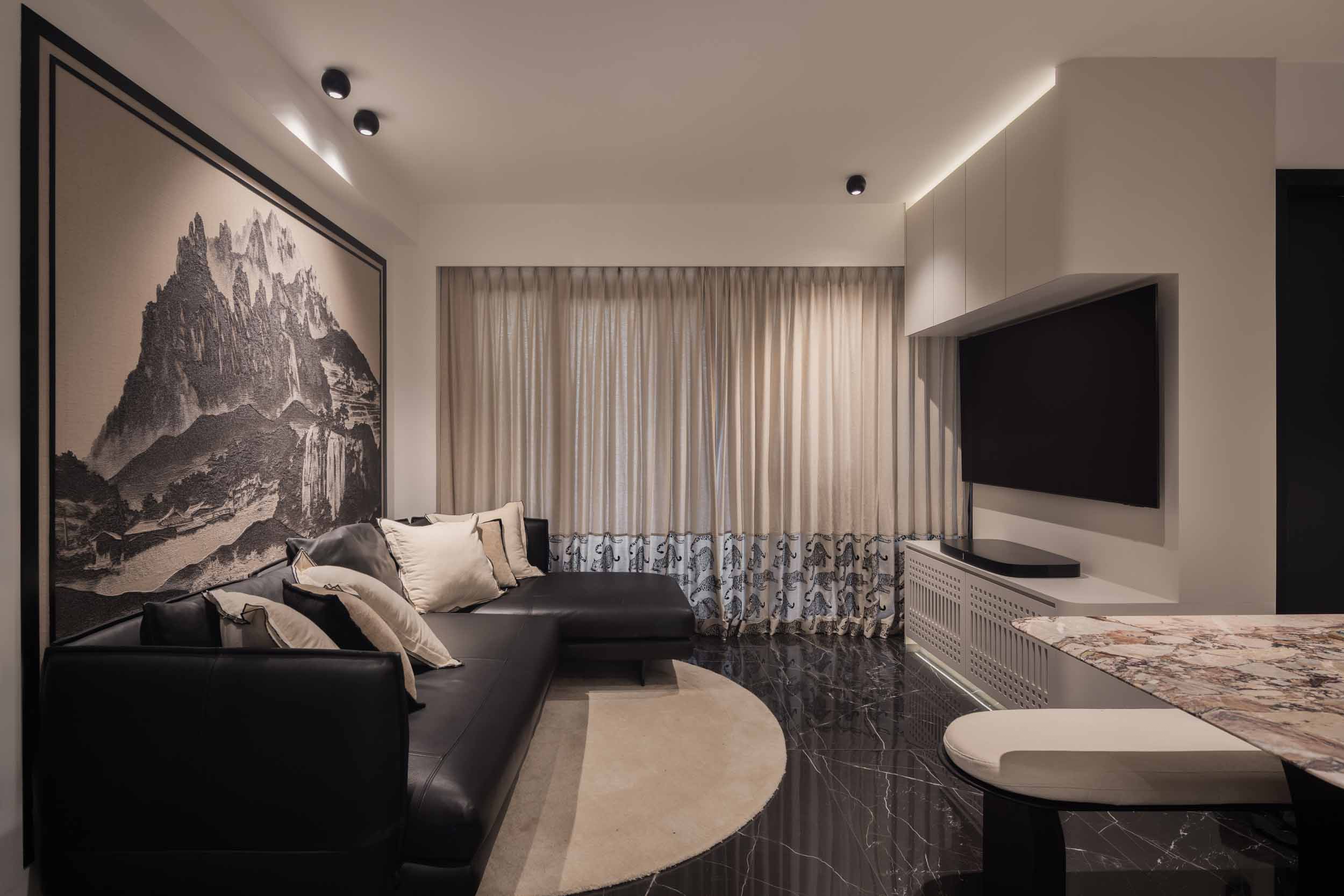
Designing an Oriental or Peranakan-inspired home in Singapore is a meaningful way to reflect heritage, craftsmanship, and cultural identity. However, achieving an authentic look goes beyond surface-level décor. It requires careful planning, material understanding, and a clear design direction from the start. Homeowners are increasingly seeking professionals who can translate these rich design influences into practical, liveable spaces.
At The Interior Lab, we’ve noticed that homeowners are often drawn to the visual richness of Peranakan and Oriental styles, but may not always anticipate how these elements come together in a modern home. Asking the right questions early helps set clearer expectations and leads to a more cohesive outcome.

Unlike minimalist or contemporary styles, Oriental and Peranakan designs are layered, detailed, and deeply rooted in tradition. Without proper planning, these elements can easily feel mismatched or excessive.
Singapore homes, especially HDB flats and condos, also come with spatial limitations. This means every design choice must be intentional. From tile patterns to wood finishes, each detail contributes to the overall harmony of the space.
By approaching the design process with clarity and structure, homeowners can achieve a look that feels cohesive rather than decorative.
Before starting your project, these questions will help you align expectations and ensure a smoother design process with your chosen interior designers in Singapore.
Why this matters
Peranakan and Oriental designs are known for intricate details. Without balance, the space may feel overly dense or outdated.
What to look for
Why this matters
Material selection is key to achieving an authentic look while ensuring the home remains practical.
What to look for
Why this matters
Not all traditional design elements translate easily into modern Singapore homes.
What to look for
Why this matters
Too many patterns or colours can make the space feel cluttered.
What to look for
Why this matters
Lighting enhances the richness of materials and patterns.
What to look for
Why this matters
Authenticity often comes from customisation rather than off-the-shelf solutions.
What to look for
Why this matters
A visually rich home must still be functional.
What to look for
Why this matters
Experience influences how well the design is executed.
What to look for
|
Element |
Traditional Approach |
Modern Adaptation |
Key Benefit |
|
Tiles |
Intricate Peranakan patterns |
Feature walls or accents |
Maintains character without overwhelming |
|
Furniture |
Ornate wooden pieces |
Simplified silhouettes |
Improves functionality |
|
Colours |
Bold and vibrant palettes |
Balanced with neutrals |
Creates visual harmony |
|
Lighting |
Decorative fixtures |
Layered modern lighting |
Enhances usability |
|
Layout |
Segmented spaces |
Open or semi-open layouts |
Improves flow |
Working closely with your designer ensures that your vision is translated accurately.
Share references, but also explain what you like about them. This helps your designer understand your intent.
Some ideas may need to be refined to suit your space. Flexibility often leads to better outcomes.
Frequent check-ins help ensure the project stays aligned with your expectations.
Creating an Oriental or Peranakan-inspired home requires more than design knowledge. It calls for an understanding of heritage, materials, and how these elements can be adapted for modern living. In the context of interior designers in Singapore, this level of expertise helps ensure that the final space feels both authentic and practical.
At The Interior Lab, we’ve noticed that successful projects often come down to how well traditional elements are adapted to suit modern layouts. Careful planning, material choices, and restraint all play a role in achieving a balanced result.
If you are planning your next home renovation, speaking with a designer early can help ensure your ideas are translated into a cohesive and well-executed design.
Yes. With careful planning, key elements can be incorporated without overwhelming the space.
Some are, but many homeowners opt for modern alternatives that offer similar aesthetics with better durability.
Timelines vary depending on complexity, but detailed styles may require more planning time.
Costs depend on materials and customisation, but there are different ways to approach the design based on your priorities.
Yes. Many homeowners choose a hybrid approach that blends traditional elements with contemporary layouts.
 BACK TO BLOG