



Planning an HDB renovation is exciting—but Singapore’s HDB guidelines set important limits to keep buildings safe and sound. Many homeowners accidentally breach the rules and end up with fines, delays, or rectification works. This guide highlights common pitfalls, why the rules exist, and compliant alternatives—so your home stays stylish and approved.
The Housing & Development Board enforces its rules to protect the structural integrity of every building. These rules ensure the safety of residents and preserve the long-term value of your HDB home.
Non-compliance with HDB renovation rules can result in a fine of up to $5,000 and the requirement to restore your flat to its original condition at your own expense.
Many homeowners underestimate how strictly HDB monitors renovation works. Always engage a registered renovation contractor and ensure all necessary permits are displayed outside your flat during the renovation process.
The eight most common rules that HDB flat owners are unknowingly breaking, often in pursuit of grand, ambitious design, are as follows:
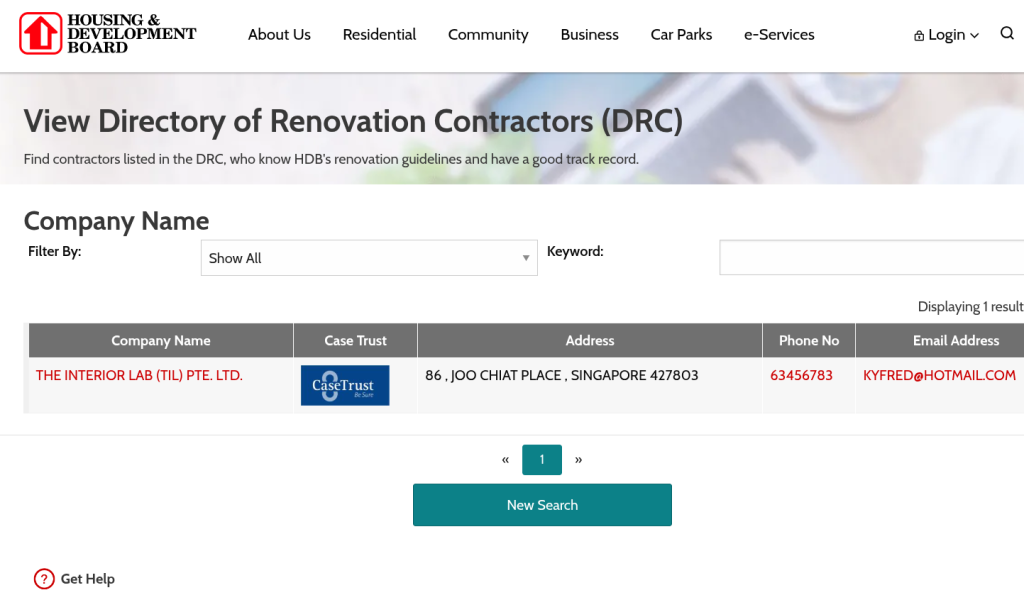
Only hire HDB-registered contractors for HDB flats. Verify via HDB InfoWEB’s Directory of Renovation Contractors (DRC) e-service. If a firm isn’t listed, don’t proceed.
Tip: Your designer can handle approvals and coordinate with the registered contractor.
According to HDB renovation guidelines, HDB floor slabs are designed to withstand a uniform superimposed load of approximately 150 kg per square metre. Oversized stone countertops, multiple dense built-ins or raised platforms can add up. Use multi-functional pieces and vertical storage to keep loads reasonable—especially in small rooms.
For new flats, HDB applies a waterproofing system under bathroom floors. For three years from key collection/TOP, you generally cannot hack the original bathroom floor tiles. Instead, consider overlaying with approved finishes to avoid damaging waterproofing.
HDB does not allow raising the finished floor level by more than 50 mm (including screed and tiles). Heavier finishes add dead load and can affect thresholds and doors. Removing existing finishes requires approval; when in doubt, use rugs or low-profile overlays.
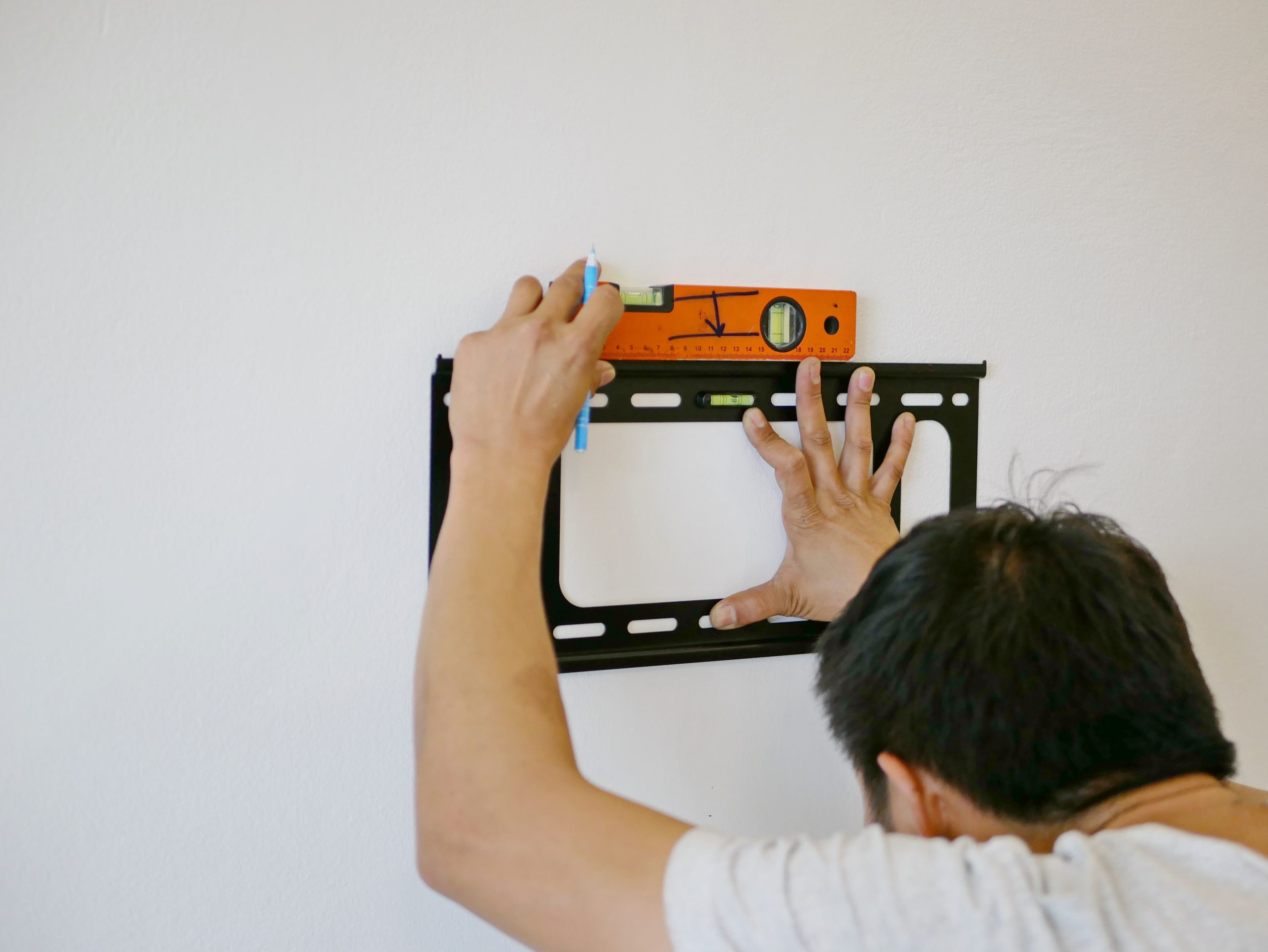
It goes without saying, but HDB homeowners are not allowed to hack structural walls or even drill into them. En masse from all the residents, all these little picture-frame hangings can result in a quicker deterioration of the building’s structure.
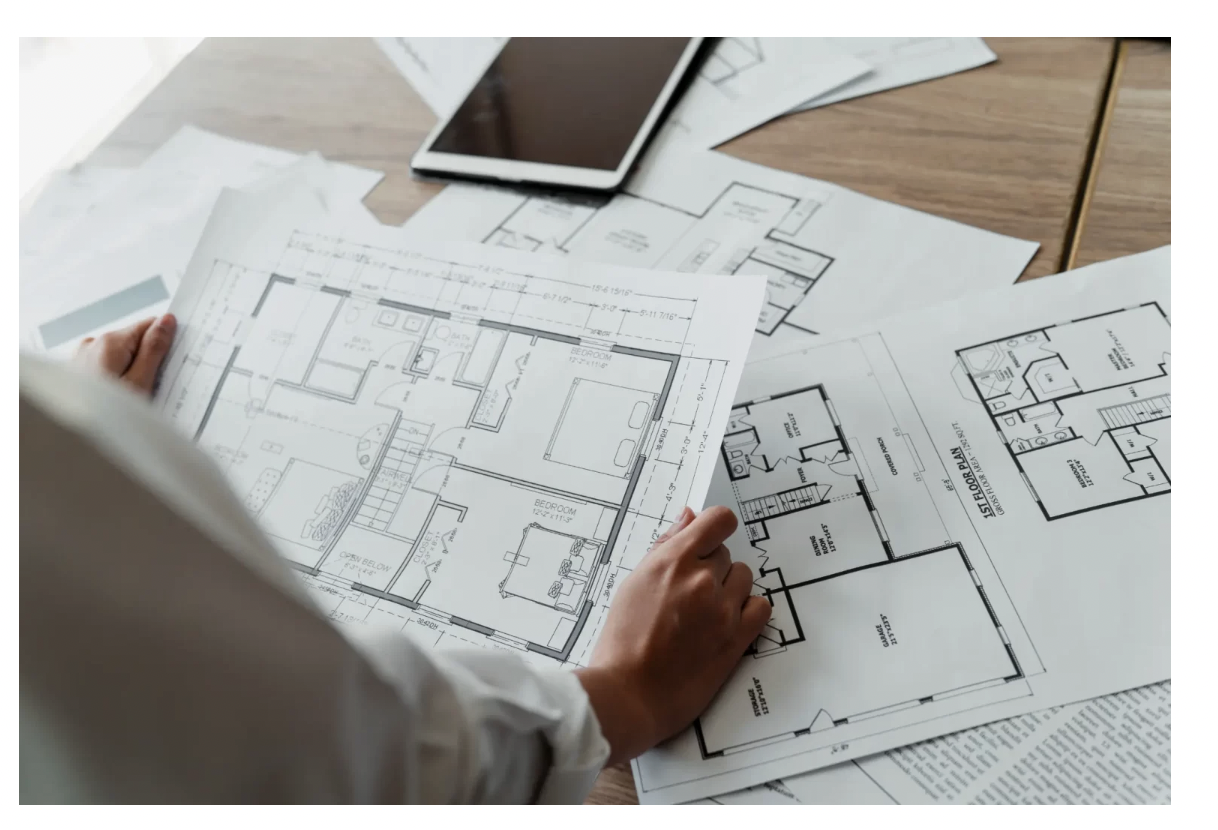
When HDB owners are provided their floor plan, the plan outlines black areas, indicating structural parts.
It’s therefore critical that if a homeowner wishes to tear down a wall, it is non-structural. Even then, they may still need to obtain approval from HDB before proceeding.
If you’ve hired the services of a registered interior design firm, they will liaise for approval from HDB for you according to your planned floor layout.
If you want to have open-concept layouts or make space planning changes, your interior designer can propose alternatives that maintain safety while improving the flow. Always confirm with your renovation contractor which walls are structural before finalising your renovation plans.
The pipes in our HDB flat serve very essential functions for our home, no matter how unsightly they may be. As such, some HDB flat owners would naturally hide these behind partitions.
However, there are rules to be followed when we’re concealing pipes:
You may box up pipes only if you maintain service access. Provide a removable opening of at least 600 mm × 600 mm for inspection/maintenance. If full replacement is needed, removal is at the owner’s cost.
Do not fully enclose gas pipes. Maintain ventilation and access per the utility’s safety requirements; partial boxing with service openings may be acceptable. Always consult your contractor and the gas supplier’s guidelines first.
Building a fixed loft/mezzanine in an HDB unit is generally not permitted due to structural and fire-safety constraints. Explore loft-style furniture, tall shelving and lighting to express verticality—without adding structural loads.
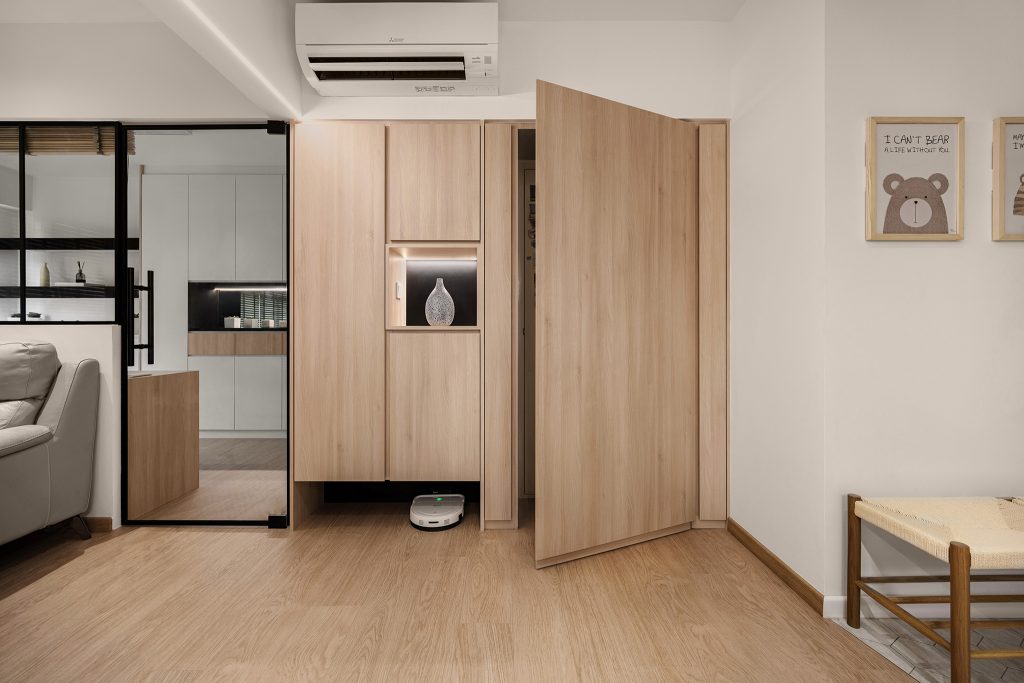
Household Shelters have special requirements. Do not alter or paint over the HS door notices, locking bolts, or seals. For finishes, follow the current SCDF/HDB list of permitted works—methods and materials are restricted; avoid wet works unless explicitly allowed. For ventilation, at least 25% of each HS vent must remain unobstructed in peacetime. When in doubt, consult your designer and refer to the latest SCDF/HDB guidance.
Beautiful design shouldn’t compromise safety—or compliance. Here at The Interior Lab, we’re HDB-registered and experienced with approvals and safe detailing. Book an initial consultation and let’s plan a home that’s personal, practical and fully compliant.
To protect structural integrity and resident safety across the block—and to ensure long-term durability.
Costs depend on scope, materials and labour. Discuss priorities, allow contingency and review an itemised quotation with your designer/contractor.
No. Structural walls cannot be hacked. Only non-structural walls may be altered—with approval.
Yes, but do not paint the door notices, locking bolts or seals, and follow the permitted-works list for all HS finishes.
 BACK TO BLOG