



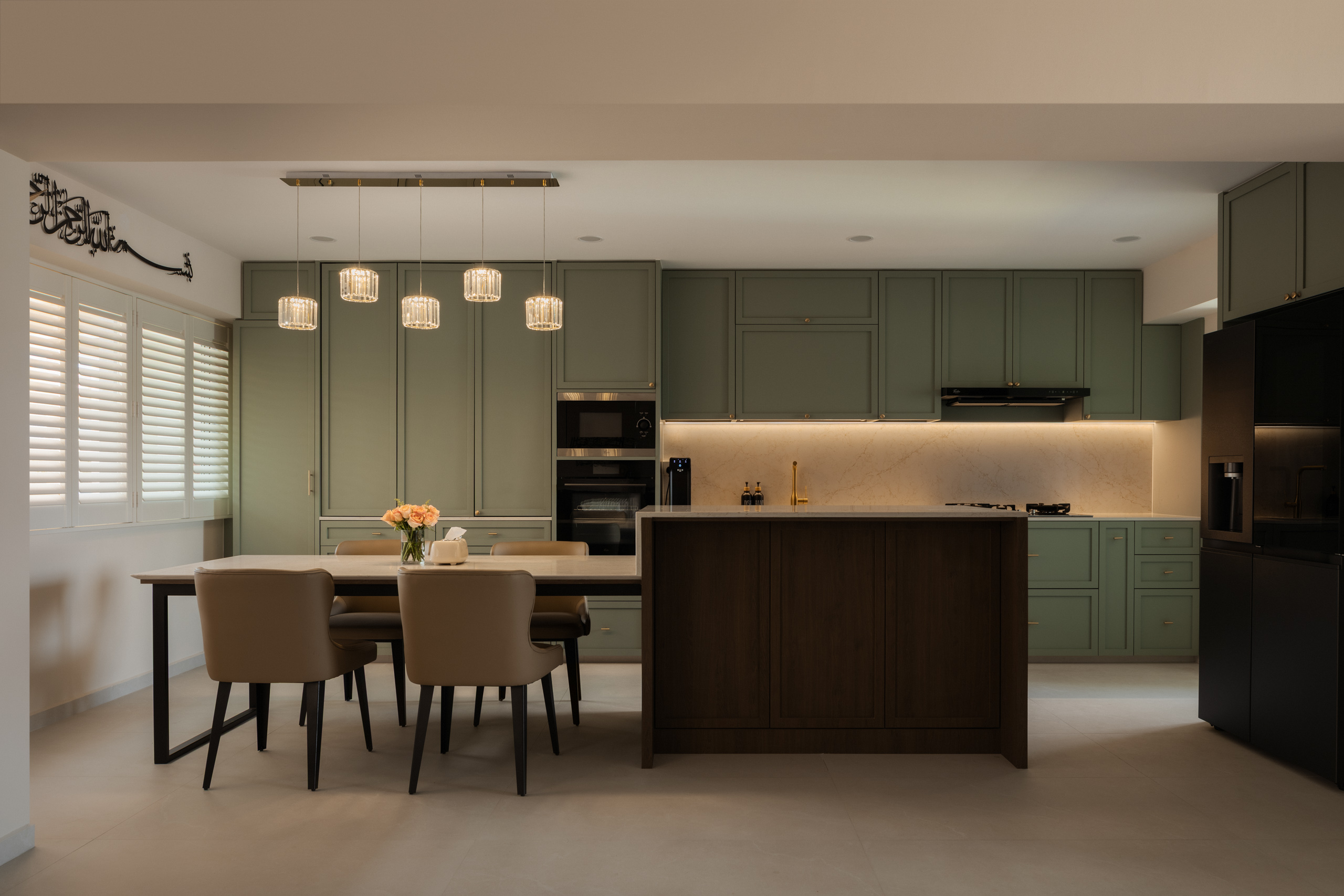
Modern kitchens are no longer designed solely for cooking; they are increasingly being planned as spaces that balance functionality, storage, and everyday living. While some homeowners may prefer open-concept kitchens for hosting and interaction, others may prioritise enclosed or hybrid layouts that better accommodate heavier cooking needs and practical day-to-day use.
From selecting the right layout to choosing durable materials and planning around everyday appliances, thoughtful kitchen design plays a major role in shaping both the functionality and overall experience of a home.
One of the first and most important decisions in kitchen design is determining the right layout for your lifestyle and cooking habits. While aesthetics matter, functionality and practicality should always guide the planning process.
Open kitchens have become increasingly popular in modern homes due to their spacious and social nature. By integrating the kitchen with the dining or living area, the space feels larger, brighter, and more connected.
Open kitchens work particularly well for homeowners who:
However, open kitchens may also expose cooking smells, clutter, and appliance noise more easily, especially for homeowners who frequently prepare heavier meals.
Closed kitchens provide greater separation between cooking and living spaces, making them ideal for homeowners who prioritise privacy and functionality.
This layout helps contain:
Closed kitchens are often preferred by homeowners who cook frequently or require a more intensive cooking setup.
For many modern homes, hybrid kitchens offer the best of both worlds. Features such as sliding glass doors, fluted glass partitions, or semi-open layouts allow homeowners to maintain visual openness while still creating separation when needed.
These solutions help improve flexibility without compromising on aesthetics.
Before selecting materials or cabinetry finishes, it is important to first consider how the kitchen will be used on a day-to-day basis. This helps ensure that the space is designed around the homeowner’s lifestyle and cooking routines.
For homeowners who cook frequently, especially those who prepare heavier meals involving frying or extensive meal preparation, functionality and maintenance often become key priorities. In such cases, enclosed or hybrid kitchen layouts may be more suitable for containing heat, grease, and cooking odours. Easy-to-clean surfaces, sufficient ventilation, and durable countertop materials can also help improve long-term practicality.
On the other hand, homeowners who cook lighter meals or use the kitchen more casually may prioritise openness and aesthetics instead. Open-concept kitchens often create a more spacious and welcoming atmosphere, allowing the kitchen to blend seamlessly with adjacent dining or living areas.
Storage planning is another important consideration that should be tailored to individual cooking habits. Homeowners who regularly cook at home may require:
Kitchen design should also account for how homeowners move through the space while preparing, cooking, and cleaning. Thoughtful spatial planning can improve efficiency, reduce unnecessary movement, and create a smoother workflow within the kitchen.
Factors such as:
all contribute to how efficiently the kitchen functions on a daily basis.
For homeowners who cook frequently, ensuring sufficient preparation space between the sink, stove, and refrigerator can help improve workflow and minimise unnecessary movement while cooking.
Appliance planning should also be considered early in the renovation process. Features such as built-in ovens, concealed appliances, and integrated storage solutions can help create a cleaner and more streamlined kitchen environment while improving practicality at the same time.
By prioritising workflow and functionality from the beginning, homeowners can create kitchens that feel intuitive, organised, and comfortable to use over time.
While layouts, appliances, and workflow planning are important, smaller design considerations often have the biggest impact on day-to-day convenience. Thoughtful detailing can significantly improve the overall functionality and comfort of a kitchen over time.
Proper ventilation is especially important for homeowners who cook regularly. In addition to cooker hoods, installing a ceiling or wall-mounted fan can help improve airflow and reduce heat accumulation within the kitchen.
Sufficient countertop space is essential for meal preparation. Avoid overcrowding surfaces with appliances to maintain a more efficient and comfortable cooking environment.
Features such as under-cabinet lighting can improve visibility during food preparation while also adding warmth and ambience to the space.
Pull-out pantry systems, corner storage solutions, and concealed organisers can help maximise functionality while keeping the kitchen visually tidy and organised.
Selecting materials that are easy to clean and resistant to stains or moisture can significantly improve long-term maintenance and upkeep.
A well-designed kitchen should balance visual appeal with everyday practicality. Rather than focusing on short-term trends, it is important for homeowners to consider thoughtful layouts, durable materials, and functional design choices that better support their lifestyle and daily routines over time.
By carefully considering cooking habits, workflow efficiency, appliance planning, and practical detailing, homeowners can create kitchens that not only feel visually aesthetic, but also remain comfortable and functional for years to come.
Ultimately, a thoughtfully planned kitchen becomes more than just a cooking space. It evolves into an environment that supports daily living, complements the overall home interior, and adapts seamlessly to the changing needs of the household over time.
 BACK TO BLOG