



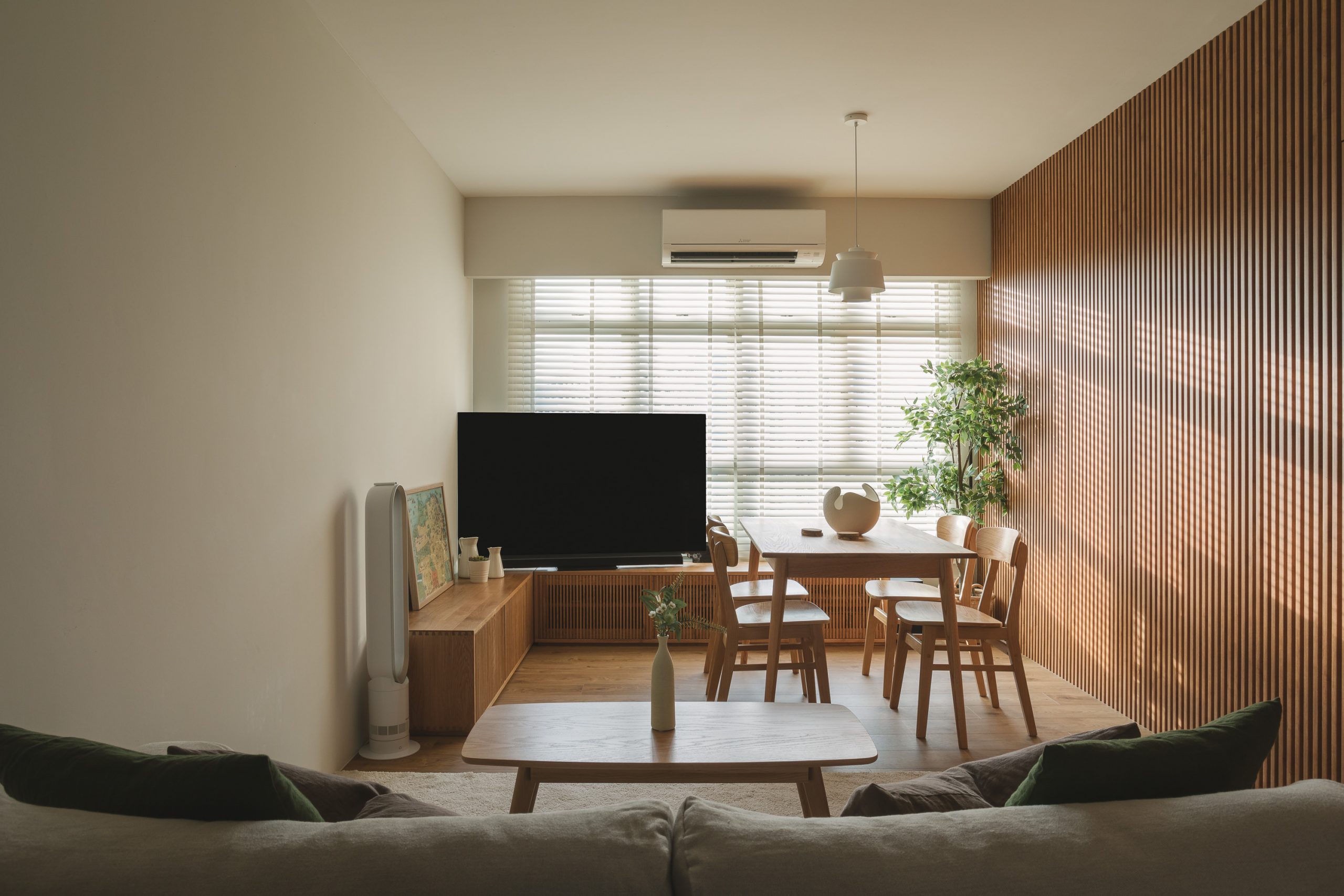
Minimalism has long appealed to homeowners who value calm, clarity, and thoughtful design. In Singapore, this design style has found a natural pairing with resale flats, where practical layouts meet the desire for a refreshed, contemporary home. The Muji-inspired aesthetic, known for its restraint and functionality, aligns especially well with HDB interior design in Singapore, where space efficiency and liveability matter as much as visual appeal. At The Interior Lab, we often work with homeowners who are drawn to this understated style but want it interpreted in a way that feels warm, refined, and suited to everyday life in an HDB resale flat.
This article explores how Muji-inspired design principles can be thoughtfully adapted for resale flats in Singapore, moving beyond surface-level minimalism to create homes that feel elevated, comfortable, and enduring.

Muji design is often described as minimal, but at its core, it is deeply intentional. The philosophy centres on removing excess while keeping what is essential, useful, and quietly beautiful. In Japan, this translates into interiors that feel calm, neutral, and highly functional.
In Singapore, applying this philosophy to HDB resale flats requires careful interpretation. Local homes face different constraints, including:
Rather than replicating a showroom look, Muji-inspired HDB interior design in Singapore works best when its principles are adapted to suit local habits and spatial realities.
Resale flats often come with existing layouts that may not feel as open or flexible as new launches. Minimalist design helps counter this by visually decluttering the space and creating a sense of order.
Key reasons Muji-inspired interiors suit resale flats include:
When executed thoughtfully, this approach can make older flats feel refreshed without drastic structural changes.
Before materials and finishes are considered, layout planning sets the foundation for minimalist living. In resale flats, this often involves rethinking how space is used rather than expanding it.
A Muji-inspired layout focuses on:
For example, subtle adjustments such as widening openings between the living and dining areas or reconfiguring storage zones can dramatically improve flow without extensive hacking.

Minimalist interiors rely heavily on material quality. Without bold colours or decorative features, materials become the main source of visual interest.
Light-toned woods are a hallmark of Muji-inspired interiors. In Singapore homes, this often appears in:
The goal is not to showcase wood as a statement but to let it quietly anchor the interior.
Walls, ceilings, and large surfaces typically use muted tones such as off-white, beige, or soft grey. These colours reflect light gently and create a sense of calm without feeling stark.
Rather than contrasting colours, Muji-inspired interiors use subtle texture differences. Fabric, wood grain, and matte finishes work together to add depth without visual clutter.
Minimalism does not mean a lack of storage. In fact, effective storage is essential to maintaining a clutter-free home.
In resale flats, storage planning often includes:
By keeping storage discreet, the home maintains a clean visual rhythm while remaining highly functional.
Lighting plays a critical role in shaping minimalist interiors. Instead of dramatic fixtures, Muji-inspired homes use lighting to enhance comfort and usability.
A balanced lighting plan typically includes:
Carefully layered lighting ensures the home feels inviting throughout the day and evening.
The table below highlights how different design decisions influence the overall feel of a minimalist HDB interior.
|
Design Element |
Typical Approach |
Impact on Living Experience |
|
Colour palette |
Neutral, low-contrast tones |
Creates visual calm and spaciousness |
|
Carpentry |
Built-in, handle-less designs |
Reduces clutter and improves flow |
|
Flooring |
Light wood or wood-look finishes |
Adds warmth without heaviness |
|
Lighting |
Soft, layered illumination |
Enhances comfort and usability |
|
Furniture |
Simple forms with function-first design |
Supports everyday living needs |
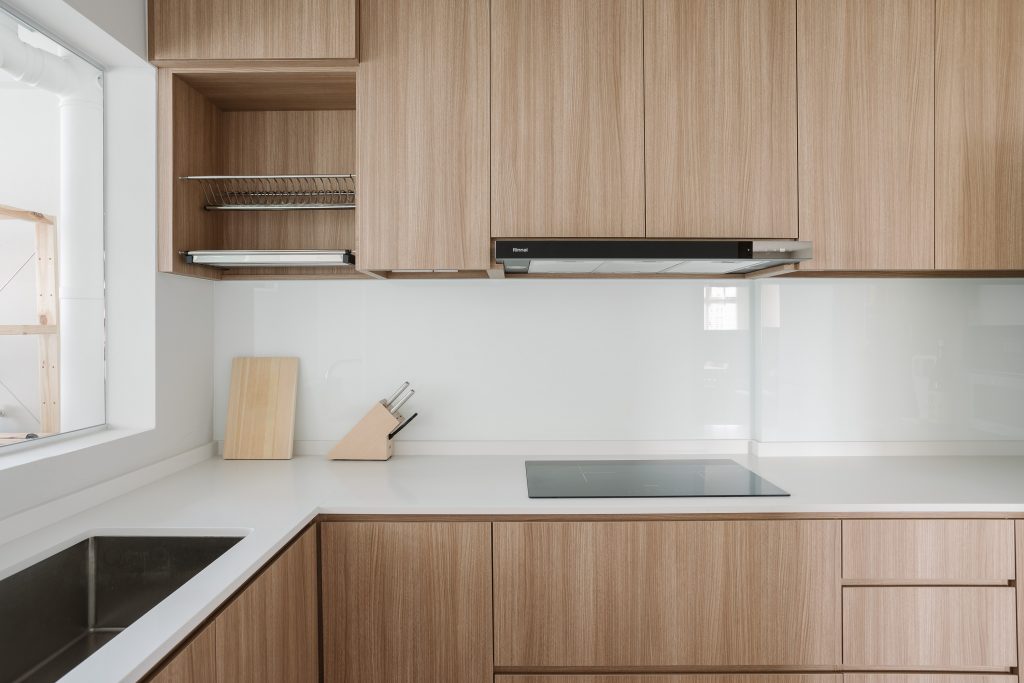
While Muji-inspired interiors are visually restrained, they must still support real lifestyles. Singapore households often juggle work, family, and social activities within limited space.
Adapting minimalism means:
This ensures the home remains comfortable and liveable rather than feeling overly curated.
Minimalist interiors can feel cold or unfinished if not handled carefully. Common mistakes include:
A well-designed minimalist home should feel calm, not empty. Thoughtful layering of materials, textures, and lighting helps avoid these issues.
One of the strengths of Muji-inspired design is its longevity. Unlike trend-driven styles, minimalist interiors age gracefully and adapt well to changing needs.
For resale flats, this is especially valuable. A timeless interior can:
This makes minimalist design a considered choice rather than a passing preference.
Creating a Muji-inspired home in a resale flat is less about copying a look and more about embracing a mindset. It is about clarity, intention, and balance. In the context of HDB interior design in Singapore, this approach allows homeowners to elevate their living spaces while respecting practical constraints.
At The Interior Lab, we approach minimalist design by first understanding how our clients live, then translating Muji principles into spaces that feel personal and grounded. If you are considering a Muji-inspired transformation for your resale flat, our team can help interpret this aesthetic in a way that feels refined, functional, and distinctly yours.
Yes, when planned properly. Minimalist design can support family living by prioritising storage, flexibility, and clear organisation rather than visual excess.
Custom carpentry is often helpful but not always necessary. The key is thoughtful storage and proportion, which can be achieved through a mix of built-in and loose furniture.
When executed with attention to materials, lighting, and texture, minimalist interiors tend to feel calm and enduring rather than boring.
Yes. In fact, minimalist principles often help older layouts feel more open and cohesive without extensive structural changes.
Maintenance relies on good storage planning and mindful organisation. When everything has a place, it becomes easier to keep the home visually calm.
 BACK TO BLOG