



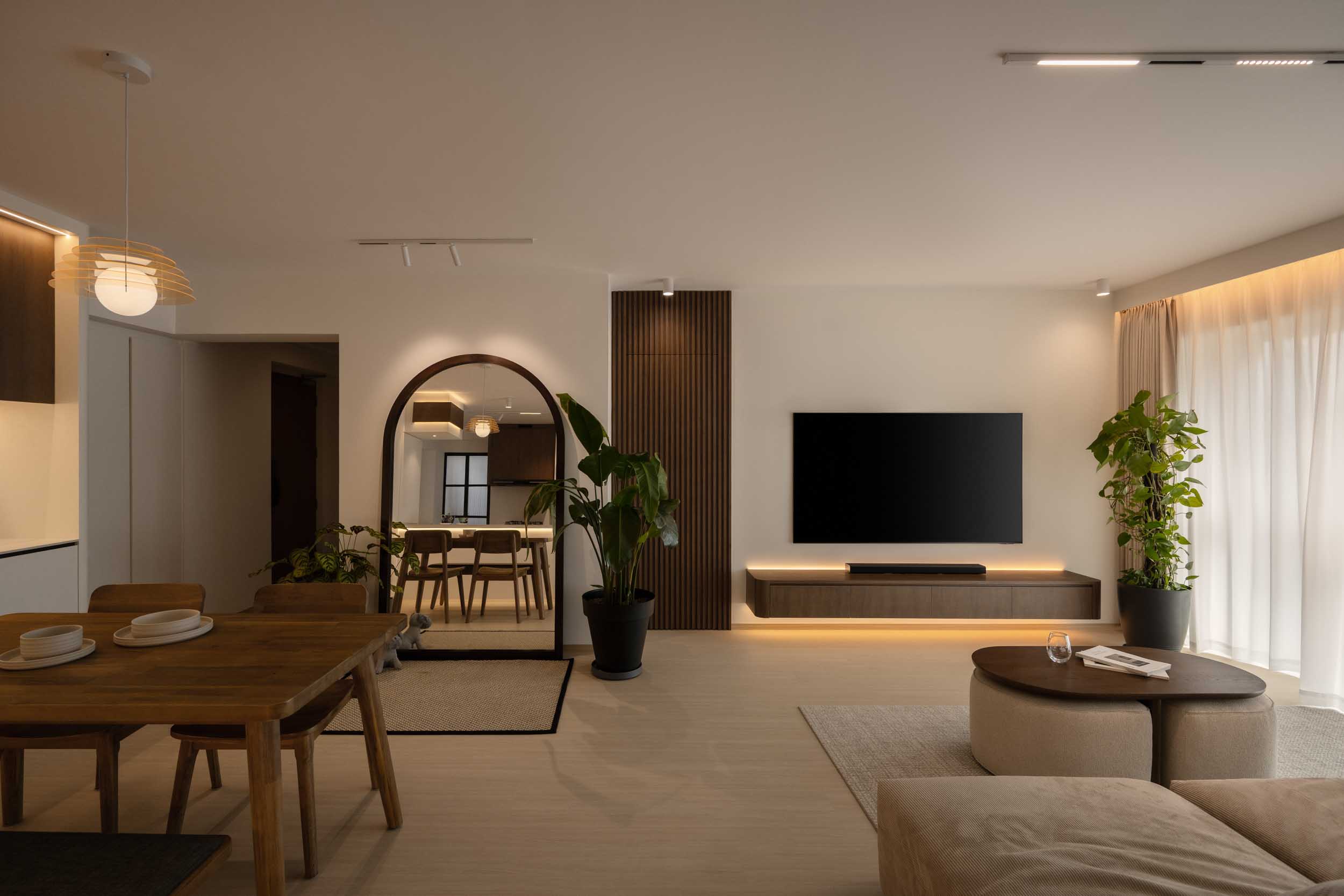
In our fast-paced urban environment, many homeowners are looking for interiors that not only look good but are also easy to live with. Long working hours, family commitments and active social lives often leave little time for constant cleaning and upkeep. A well-designed home should feel restorative rather than demanding, and this is where low-maintenance interior design becomes especially valuable.
Low-maintenance interior design does not mean settling for a plain or uninspired home. Instead, it focuses on choosing layouts, materials and finishes that age well while remaining visually calm over time. In Singapore’s compact homes and humid climate, these considerations are even more important as poor choices can quickly lead to wear and clutter.
Here are six guidelines to factor in before you embark on your renovation journey.
One of the foundations of low-maintenance interior design is simplicity. Clean lines, restrained detailing, and purposeful layouts reduce visual clutter and make spaces easier to clean and manage. Homes with excessive grooves, ledges and decorative trims often collect dust and require frequent wiping. By contrast, a streamlined design with flat surfaces and minimal ornamentation allows for more efficient cleaning.
Especially HDB flats and condominiums where space is often limited, simpler layouts also improve day-to-day movement and usability. Open and well-considered layouts reduce tight corners and hard-to-reach areas that are difficult to clean. When circulation is clear and spaces flow naturally, the home feels lighter and more organised. An clutter-free environment also contributes to a sense of mental ease after a long day.
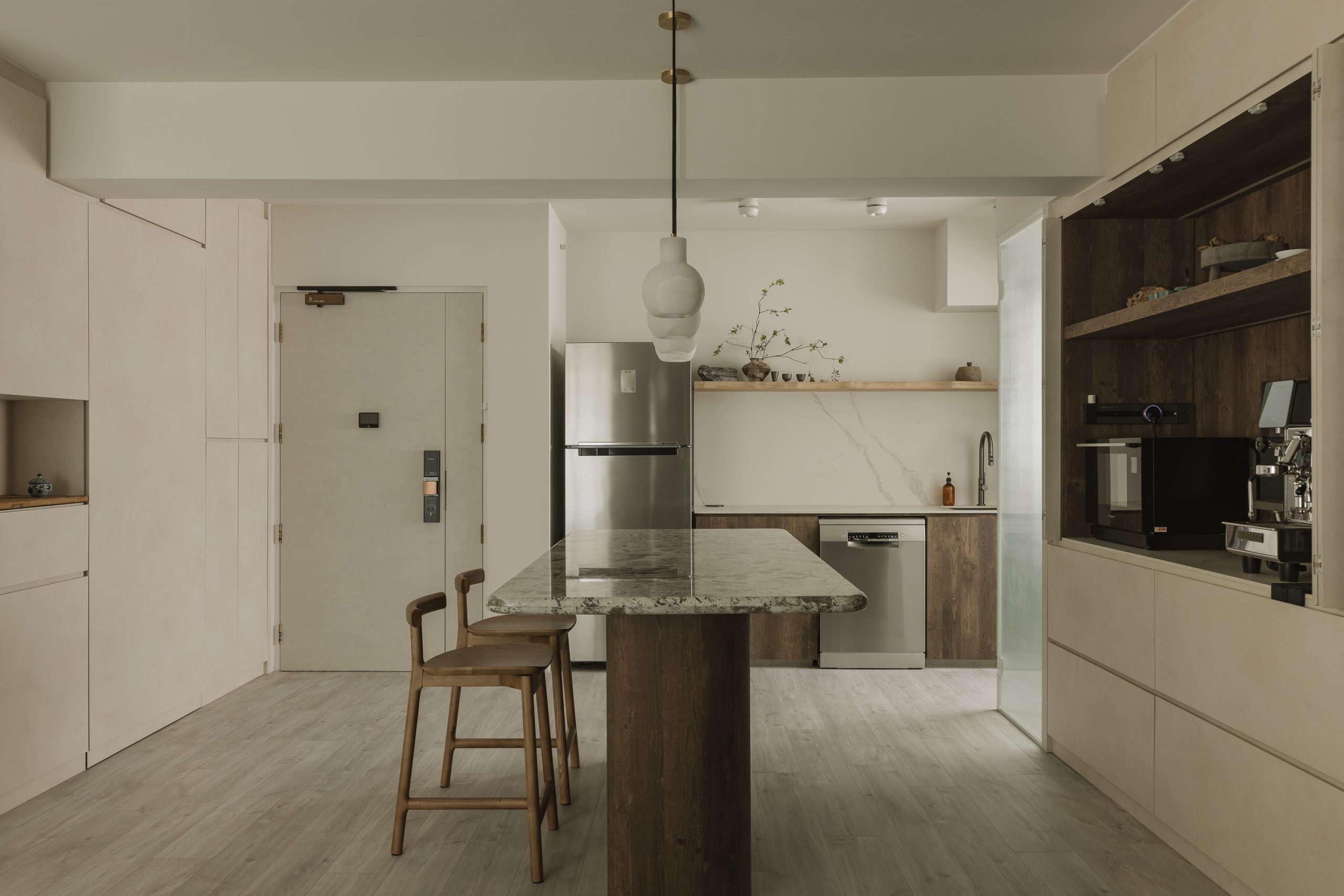
Material selection plays a crucial role in how much effort is required to keep a home looking its best. Finishes that are delicate or highly reflective may look attractive initially, but they often reveal fingerprints, water marks, and scratches very quickly. Over time, this can make a home feel worn even when it is relatively new.
Low-maintenance alternatives include:
In Singapore’s humid climate, materials that resist moisture and warping are particularly important. Countertops made from non-porous materials offer greater resistance to staining and require less upkeep. Flooring that is durable and water-resistant helps prevent long-term issues, especially in households with frequent foot traffic.
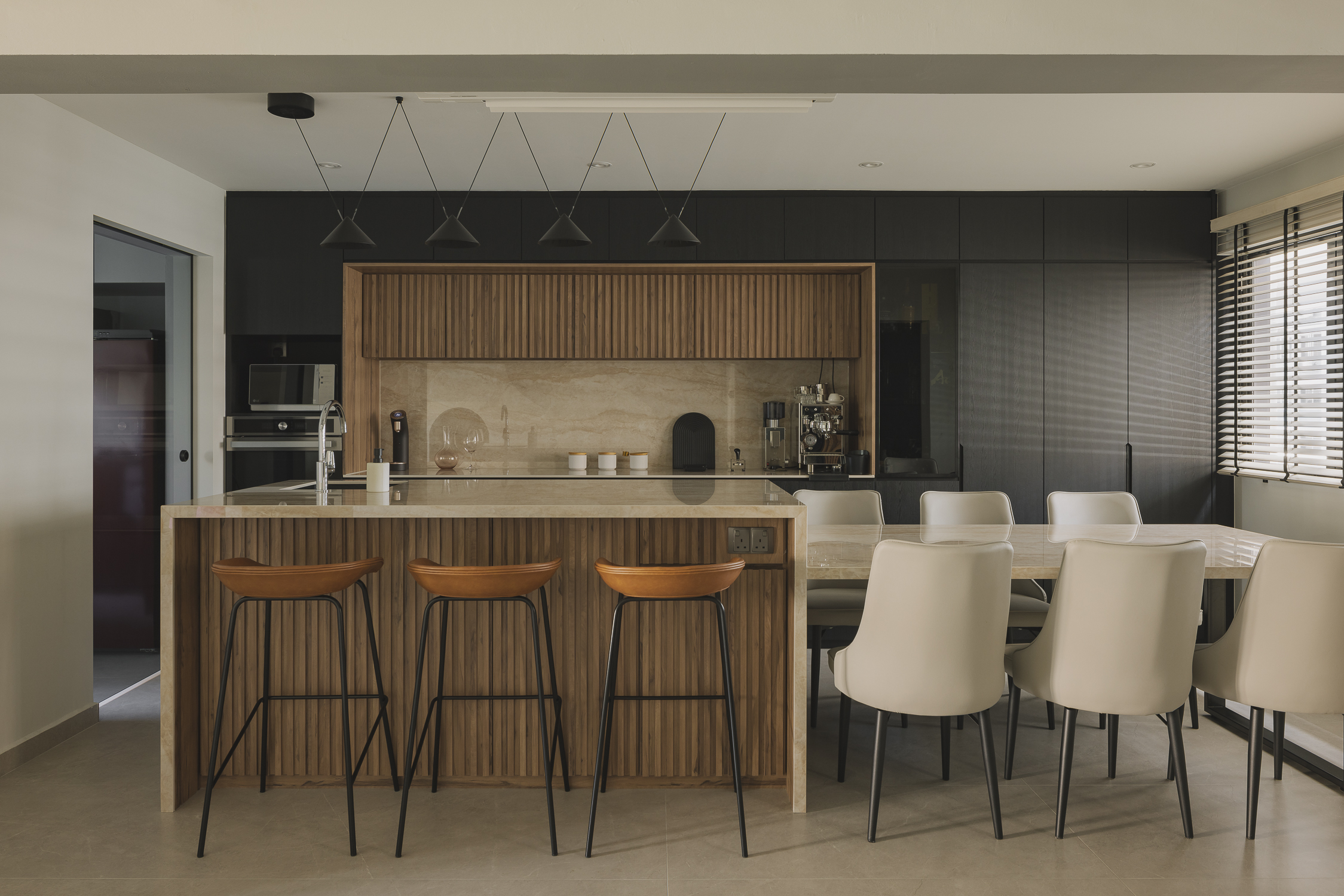
A cluttered home often feels harder to maintain, even if it’s well-designed. Low-maintenance interiors rely heavily on smart, well-planned storage that keeps everyday items out of sight. Instead of open shelving that requires frequent dusting and styling, closed cabinetry offers a cleaner and more practical solution.
A well planned built-in storage allows the interior to remain organised without feeling crowded. When storage is intuitive and designed around daily routines, tidying becomes quicker and more sustainable. A home that is easy to put back in order naturally feels easier to live in.
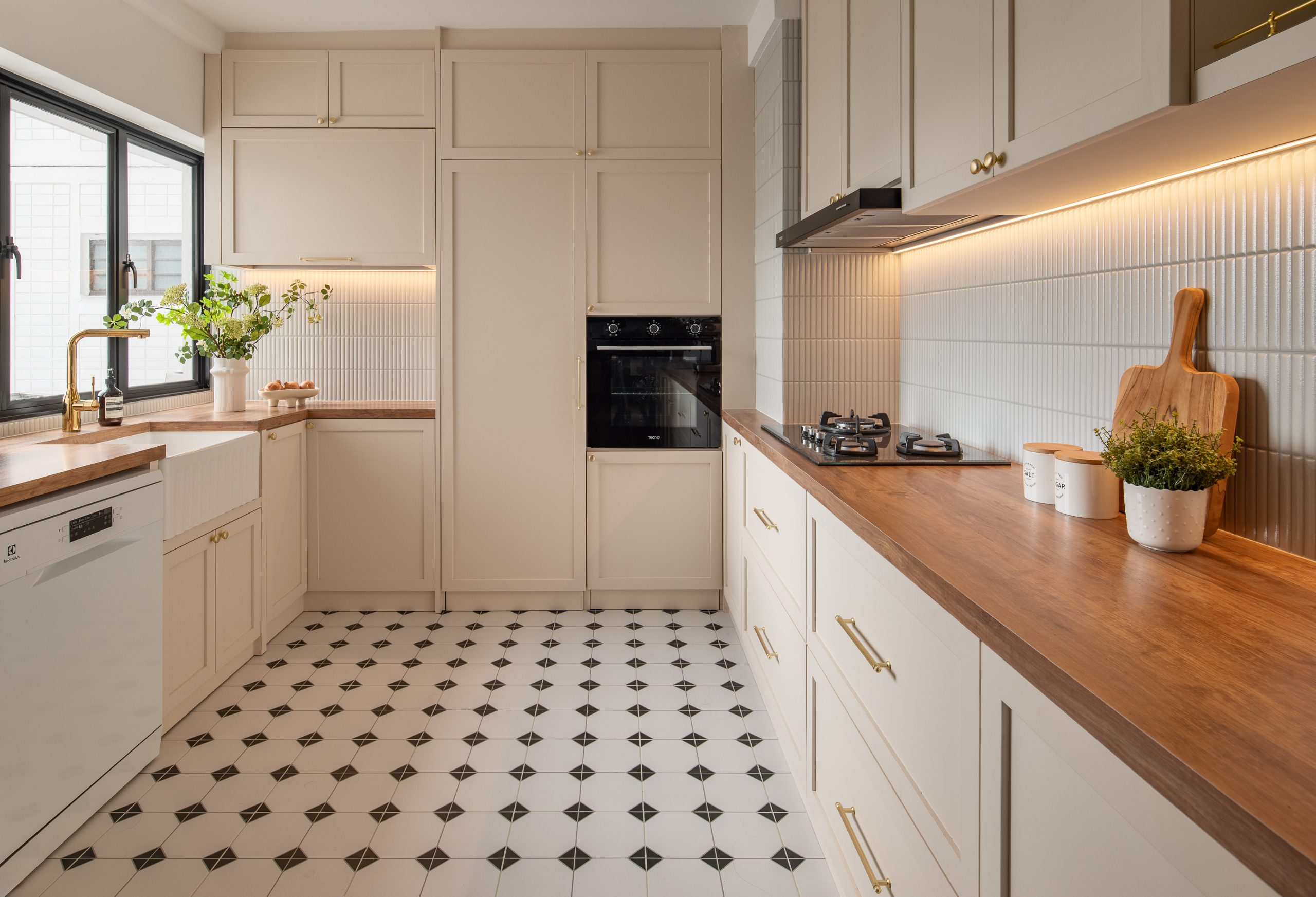
Flooring is one of the most heavily used elements in any home, making it an important consideration for low-maintenance design. Materials that require specialised cleaning or frequent care can become burdensome over time. Carpets and delicate flooring materials may require specialised cleaning, which can be inconvenient in the long run.
Popular low-maintenance flooring options include:
These options are durable, practical, and suitable for households with children, pets, or frequent foot traffic. Finishes that conceal minor marks and dust are particularly helpful in reducing the need for constant cleaning.
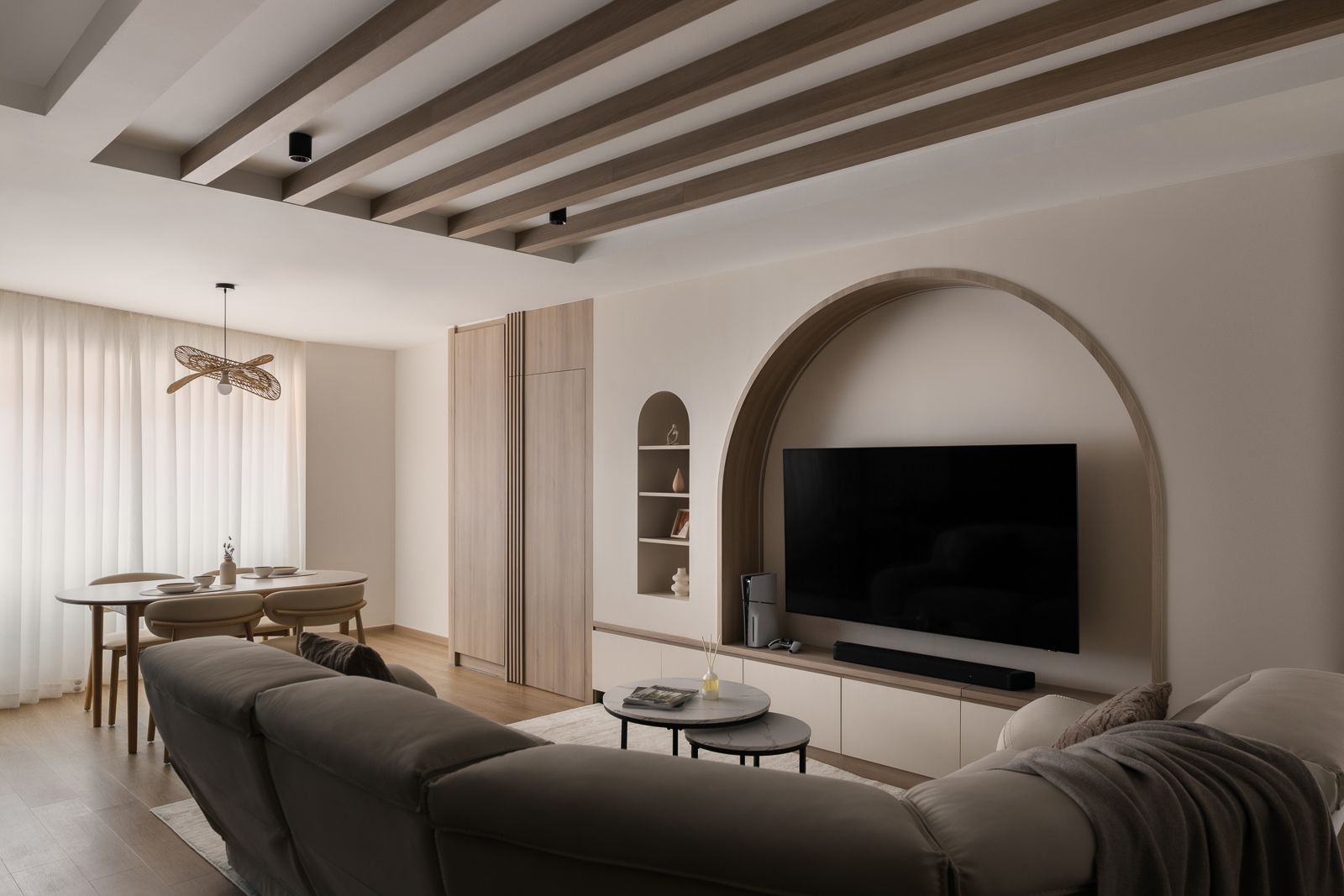
Colour choices can significantly influence how much effort is required to maintain a home’s appearance. Neutral palettes tend to age better and show less wear compared to very dark or highly saturated colours. Soft, calming tones create a timeless foundation that remains visually pleasing even as furniture and decor change over time.
In addition to their aesthetic benefits, neutral colours make it easier to refresh a space without major renovations. Simple updates through accessories or textiles can change the mood of a room without requiring repainting or redesign. Opt for a balanced neutral palette which helps to create a brighter, more consistent atmosphere throughout the day.
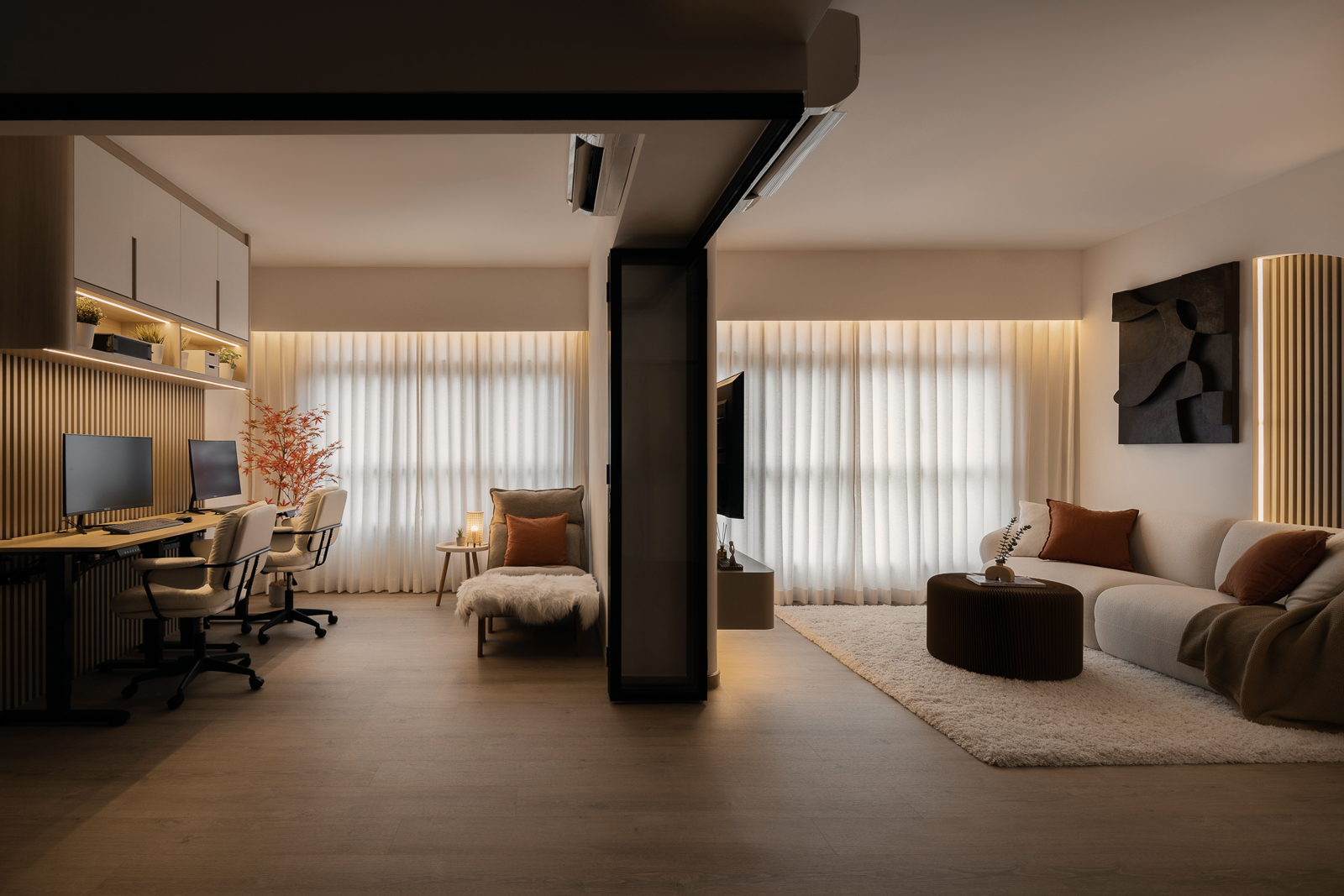
Lighting is an often-overlooked aspect of low-maintenance design. LED lighting is energy-efficient, long-lasting and produces minimal heat—making it ideal for Singapore’s climate. Well-planned lighting enhances functionality while keeping the overall design clean and understated. Layered lighting that combines general, task and ambient lighting ensures spaces are functional without relying on overly decorative fixtures that may require frequent cleaning.
Low-maintenance interior design is about creating a home that supports the rhythm of your day-to-day life. By prioritising simplicity, durable materials, thoughtful storage, and practical finishes, homeowners can enjoy a space that remains stylish without constant effort. A well-designed home should feel effortless to live in — allowing you to focus on what truly matters, while your space quietly works in the background.
 BACK TO BLOG