



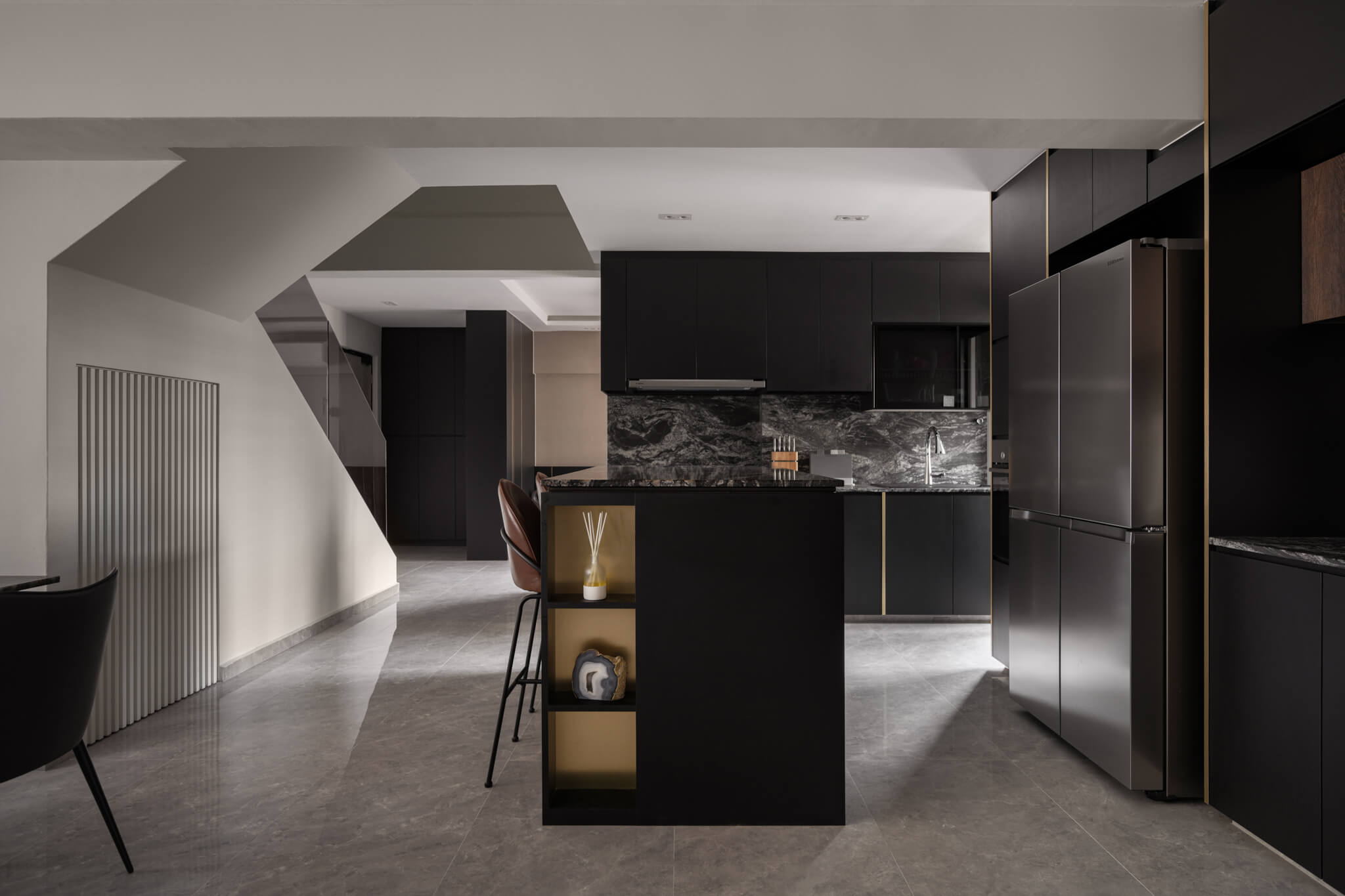
A premium home isn’t about spending more—it’s about making smart, intentional design choices. In Singapore, where space is precious and home layouts vary across HDB flats, condominiums, and landed homes, a high-end look comes from good planning, cohesive styling, and thoughtful detailing.
The most memorable luxury interiors feel calm, considered, and easy to live in—not flashy or overly complicated. In this guide, we’ll break down the best interior design in Singapore that really makes a home look premium, starting with a few common misconceptions.
Premium interiors come with a few common misconceptions. Here are three we hear from Singapore homeowners.

One of the biggest myths is that luxury only works in large homes. Size can help, but it isn’t what makes a space feel high-end. Many compact Singapore homes look premium because they’re well-planned, uncluttered, and consistent in style.
A functional layout and clean circulation can make a smaller home feel more spacious. A smaller space that’s organised and thoughtfully designed will often feel more luxurious than a large home that lacks direction.
This is a common belief in Singapore, but it isn’t true. With the right planning, an HDB flat can look just as polished as a private property.
Premium design isn’t tied to property type—it comes from cohesive styling, good proportions, and careful detailing. With guidance from an experienced interior designer, HDB flats can be designed to feel calm, refined, and comfortable.

A premium home doesn’t always require a long renovation timeline. People often associate a high-end look with complex details and difficult execution, but that isn’t always true.
In many cases, the timeline depends on how clear the design is from the start—and how well the renovation is coordinated. When the layout, materials, and detailing are confirmed early, the project tends to run more smoothly with fewer changes and delays.
An experienced interior design firm also helps by planning the work sequence, coordinating suppliers and installers, and keeping the renovation aligned to the design intent—so quality doesn’t come at the expense of unnecessary waiting.
A home’s premium feel isn’t defined by size, property type, or renovation duration. It comes down to design decisions that appear intentional and well resolved.

A premium home feels cohesive from the moment you step in. The style direction is clear, and the rooms feel connected through a consistent mix of colours, materials, and proportions.
This doesn’t mean everything looks the same. It means the home has a shared design language—so even when materials change from room to room, the overall mood stays consistent.
In the project above, the farmhouse feel is reinforced through timber elements and a coordinated palette, which gives the space a more cohesive look.
When spaces flow naturally into one another, the home feels calm and considered—nothing looks like an afterthought. That sense of order is one of the clearest signs of a premium interior.
Luxury isn’t about using more materials—it’s about using the right ones in the right places. A few well-chosen finishes can add depth and texture without making the space feel busy.
Notice how in the example below, the natural textures and stone surfaces brought a tactile, high-end feel. Patterned fabrics can add interest when used in moderation, such as on a feature chair, cushions, or curtains.

Material choices also affect durability. The right finishes help a home hold up better against humidity, daily wear, and cleaning—especially in high-use areas like kitchens, bathrooms, and entryways.
Selecting materials takes experience—balancing looks, maintenance needs, and how each finish performs in a Singapore home. A good designer guides homeowners through these choices so the final result looks cohesive and lasts well.
Neutral palettes are a common foundation for modern premium interiors. Soft greys, warm beiges, and muted tones create a calm backdrop that makes a home feel more spacious and balanced.
To keep the space from feeling flat, add controlled colour accents. A few well-placed colours—chosen to match the homeowner’s taste—can bring personality while keeping the overall look refined. For example, the lounge area below pairs sage-green cabinetry with deep-blue seating and warm-tan leather and wood accents for a refined, layered look.

When colour is used thoughtfully, it helps define the mood of the space and gives the interior a more polished, premium finish.
A premium home should look good and work effortlessly. Design should support daily routines—not create friction or hazards. Practical ways to do this include:
Luxury without functionality quickly loses its appeal.

The best premium homes feel personal. They reflect the homeowner’s lifestyle and preferences—so when guests visit, the space feels distinct and lived-in, not like a generic showroom.
Personal touches can show up in:
A dream home isn’t a copy of a showroom. It’s a space designed around the people living in it—comfortable, functional, and unmistakably theirs.
A clear style direction helps a home feel anchored and well-put-together. When the colour palette, materials, and details follow a consistent language, the space naturally looks more premium—without feeling overdone.
Below are a few style directions that can create a high-end aesthetic, depending on your preferences.

Luxury interiors feel refined and polished. They often feature rich materials (such as stone-look surfaces, metallic accents, or textured fabrics) paired with clean lines and a balanced palette. The overall effect is elegant and composed, with emphasis on quality finishes and thoughtful detailing.
This style can also be layered with other influences—such as contemporary or modern classic—to match the homeowner’s personality better.

Contemporary design emphasises clean forms, practical layouts, and a modern, uncluttered aesthetic. The space appears calm rather than empty, with visual interest generated by contrast—smooth surfaces paired with tactile textures, or neutral tones balanced with darker accents.
Because contemporary design is more about proportion and restraint than trends, it tends to age well.

Dark minimalism takes a more dramatic approach to minimal design, using deep charcoals, dark browns, and matte black finishes. The key is restraint—keeping the space clean and intentional, with fewer well-chosen pieces.
To avoid the space looking flat, designers often layer finishes (matte and subtle sheen) and introduce texture through materials such as rugs, upholstery, or fluted panels. Done well, it can feel sophisticated, calm, and premium.

Wabi-sabi celebrates natural textures and understated beauty. Instead of aiming for a “perfect” finish, it highlights materials with character—such as timber grain, handcrafted ceramics, and soft, earthy tones.
The overall feel is quiet and grounded, often using linen-like fabrics, textured wall finishes, and warm neutrals. With the right balance, it can feel relaxed while still looking premium.

Balinese-inspired interiors bring a resort-like calm through natural materials, greenery, and warm lighting. You’ll often see rattan, timber textures, and layered textiles paired with stone-look surfaces and tropical plants.
In Singapore homes, this style is usually adapted with practical touches—such as using glass partitions, breathable materials, and sheltered balcony styling—to create a relaxed, “holiday at home” feel without compromising day-to-day usability.
To make a home look premium, focus on cohesion, proportion, and restraint. These tips help create a space that feels curated and comfortable:
Create one clear focal point per space: This could be feature lighting, a feature wall, a statement artwork, or a key furniture piece. A focal point gives the room structure and direction.
Designing a premium home involves many details—from planning the layout to selecting finishes and coordinating the renovation works. Managing everything alone can be time-consuming and stressful, especially when multiple vendors and timelines are involved. Partnering with an interior design firm helps make the process more transparent and organised.
Depending on the scope, an interior design firm can support homeowners with:
This is where your ideas are translated into a workable plan. It typically includes:
In Singapore, certain renovation works require approvals—especially for HDB flats (HDB permit requirements) and condominiums (MCST / management office requirements). A firm may help with:
A designer helps align renovation work with the design intent by coordinating the sequence of work and ensuring key details are followed, so the finished home is consistent with the approved design.
Project management keeps timelines and deliverables on track. This may include scheduling, coordinating installers, and site checks to reduce mistakes and rework.
Here at The Interior Lab, we’re in the business of realising homeowners’ dreams through thoughtful choice of material and deliberate design choices. Our spaces reflect homeowners’ desires and day-to-day lifestyles—fitting them with a new home like a tailored shoe.
We handle design, liaising, planning, construction, and project management for our aspirational clients. That way, the premium home comes along with no hassle or headache.
Get in touch with The Interior Lab today, and let’s work on your new dream home.
Luxury and durability aren’t mutually exclusive. You can opt for “performance fabrics” for sofas that resist stains, or use high-grade quartz instead of porous marble for countertops to prevent etching. Choosing curved furniture edges and integrated, handle-less storage can also keep the space safe for kids while maintaining a sleek, high-end aesthetic.
Yes, but with a caveat: highly personalized designs may have a narrower market, whereas “timeless premium” designs (like Contemporary or Neutral Luxury) often see a higher ROI. Quality finishes and well-planned layouts (such as optimized kitchen workflows and built-in wardrobes) are major selling points that can help your property stand out in a competitive Singaporean market.
The key to premium tech integration is “invisibility.” Designers can hide smart hubs inside custom cabinetry and use sleek, minimalist switches that match your wall color. Motorized curtains can be hidden behind pelmets, and speakers can be recessed into the ceiling or integrated into the walls to provide a cinematic experience without the visual clutter of wires.
Invest in “high-touch” and “high-visibility” items first. Spend more on quality flooring, a primary feature wall in the living room, and high-end hardware (like taps and handles), as these are the things you interact with daily. You can save on “low-impact” areas by using high-quality laminates instead of real wood for the internals of your cabinets.
A full overhaul is necessary if your home’s layout is inefficient or if the plumbing and electrical systems are outdated. However, if the “bones” of the house are good, a cosmetic refresh—updating the lighting, repainting with limewash, and replacing old flooring with large-format tiles—can achieve a premium transformation in half the time and at a lower cost.
 BACK TO BLOG